


Stage 27 From Glacier to Wine North Route Pöllau - Hartberg
Accessible by public transport- Public bus (within 15 minutes walking distance from starting point)
Characteristics
SkillThe tour in numbers
Level of difficulty
medium
Route
17,4 km
Time
6:00 h
Uphill
739 hm
Downhill
803 hm
Highest point
969 m
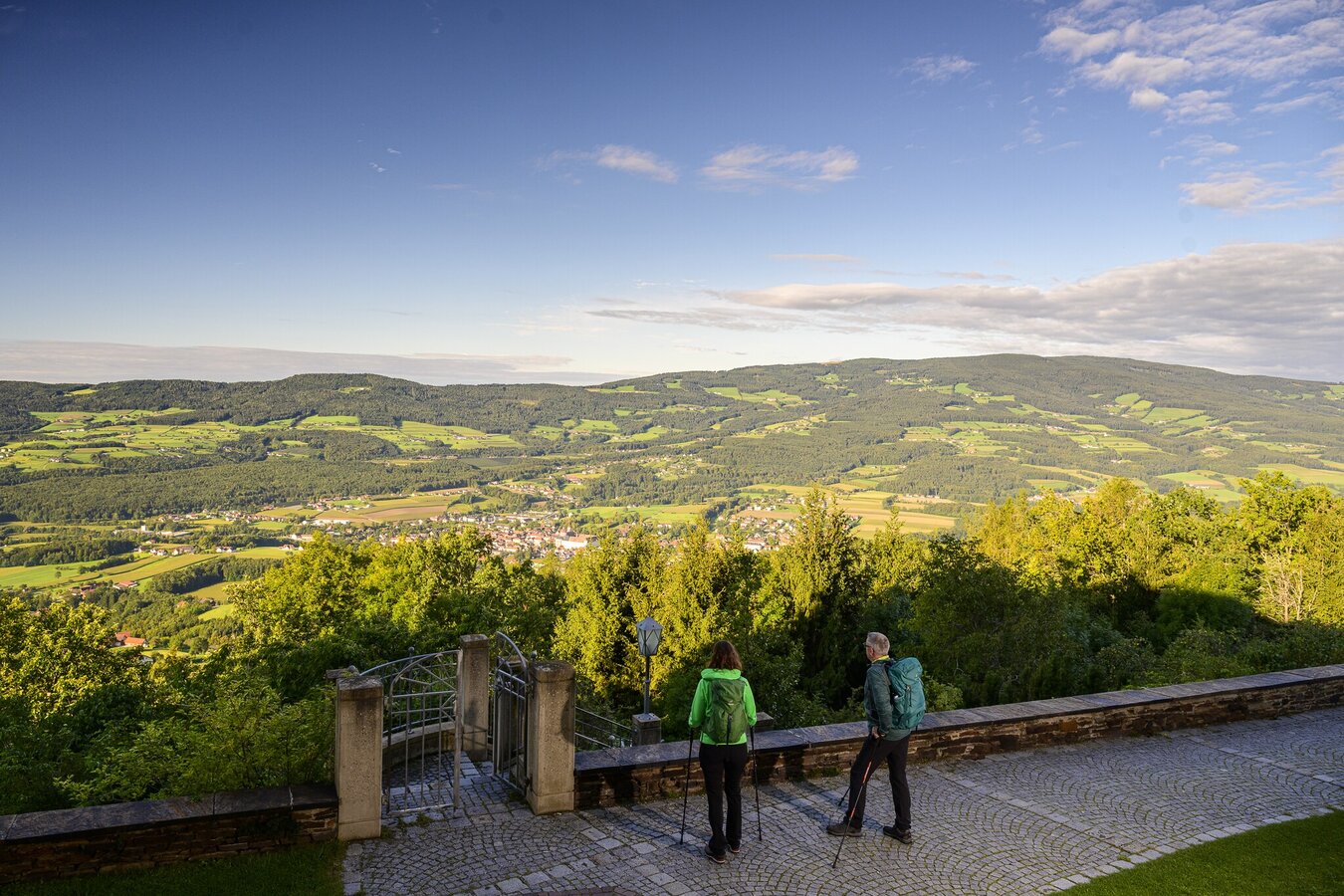
The three sections of this stage of the Hiking Trail From Glacier to Wine are as varied as the landscape of the Pöllauer Tal Nature Park itself. The hike begins with the ascent to the famous Pilgrimage Church of Pöllauberg, one of the most important landmarks in the region. This is followed by a leisurely stretch of rolling terrain at elevations between 700 and 1,000 metres above sea level, offering beautiful views across the orchards, forests, and hills of eastern Steiermark. The final section leads down from the Ringkogel, the local mountain of Hartberg, before reaching the historic town itself. Combining cultural highlights, scenic viewpoints, and the characteristic landscape of the Pöllauer Tal, this stage offers a varied and rewarding hiking experience.
From the "Styrian St Peter's Basilica" in Pöllau, the route follows the Hirschbirne Trail uphill towards the flower village of Pöllauberg.
Will we encounter any stags along the way? Probably not. Despite its name, the Hirschbirne has nothing to do with deer. It is an old Styrian pear variety whose name is believed to derive from the dialect word "Hiascht", meaning autumn, as the fruit is harvested only from mid-October onwards. Over time, the late-ripening Herbstbirne ("autumn pear") became known as the Hirschbirne.
Today, the Hirschbirne is one of the defining culinary specialities of the Pöllauer Tal Nature Park. The fruit is used to produce an impressive range of regional delicacies. Particularly renowned is the fine Hirschbirne brandy, which is highly regarded for its quality and distinctive aroma.
However, the versatile pear is used for much more than spirits. With great craftsmanship and creativity, local producers transform it into juice, vinegar, jelly, and Kletzen (traditional dried pears), creating a variety of products that perfectly reflect the culinary identity of the region.
Best season
January
February
March
April
May
June
July
August
September
October
November
December
More information
Detailed information on how to get to Pöllau can be found here.
In Pöllau there are several parking spaces available for hikers at the castle park and at the Park & Ride parking lot at the bypass.
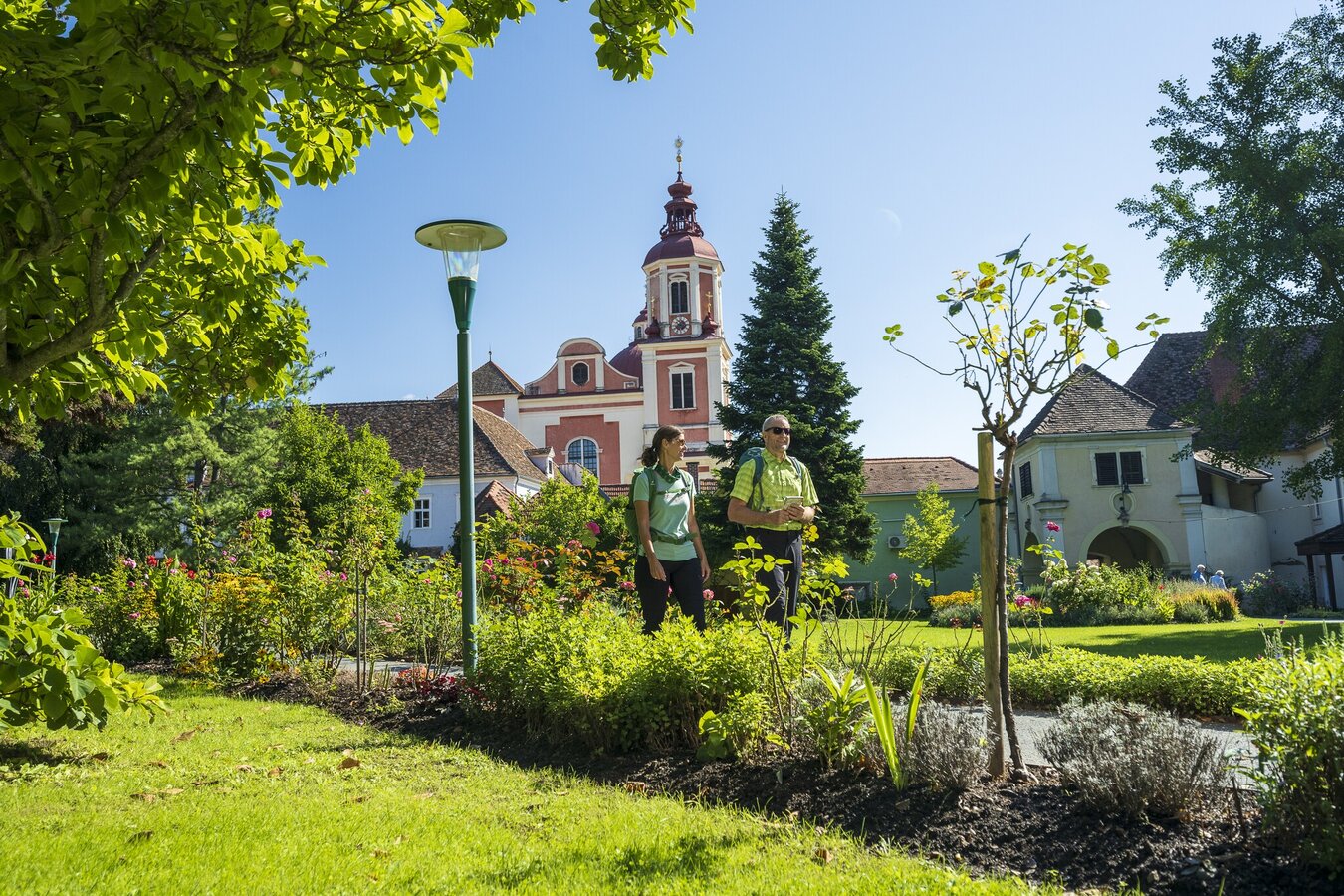
From the market town of Pöllau, with its imposing castle and collegiate church at the heart of the town centre, the route initially heads towards the entrance to the village before joining the Hirschbirne Trail (Trail No. 942). Following this route uphill, hikers pass the Way of the Cross with its brick-built stations before reaching the Sacred Heart Church near Calvary Hill. After crossing a small stream, the trail continues through woodland towards Pöllauberg.
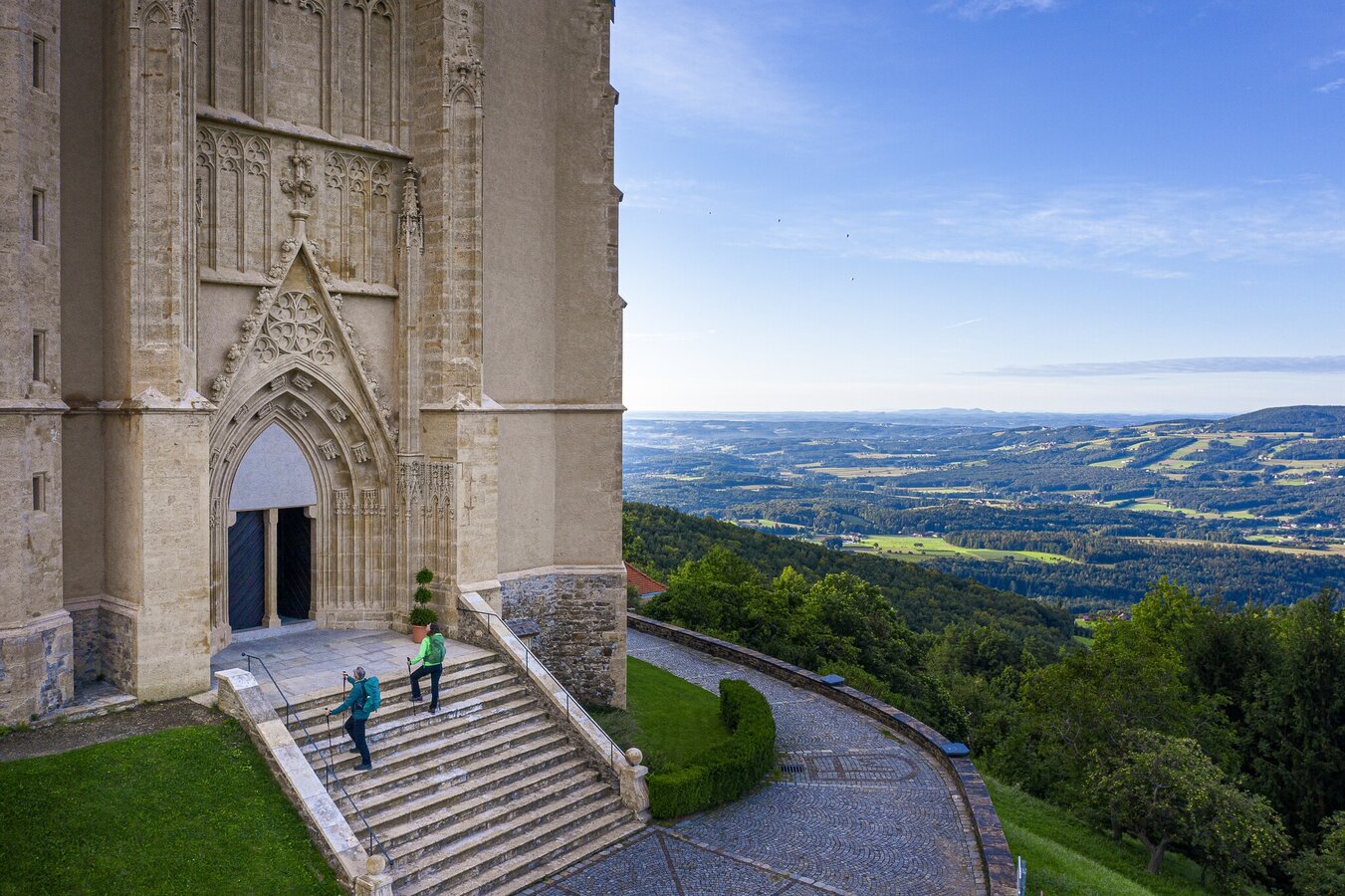
The village of Pöllauberg, crowned by its pilgrimage church visible from afar, has long been renowned for its outstanding floral displays. Over the decades, it has received numerous awards, including recognition as a European Flower Village.
After exploring the pilgrimage church and the ten themed and adventure gardens surrounding it, the route continues northwards. At the Flower Island Garden, the trail follows the elevated road that also forms part of the Pankratius Trail, which leads onwards to the famous monastery of Vorau. After a short distance, however, the route turns away from the road and continues through meadows, forests, and traditional farming landscapes.
The trail passes a beautifully situated farm before reaching the Kroller Cross, a peaceful resting place in the Pöllauer Tal Nature Park. From here, a steady climb leads to the farmstead known as Scherf, and onwards via the Schachenweg to the highest point of the day, the Schwaig, at 970 metres above sea level.
At the Schwaig, the route leaves the Pankratius Trail and joins the Long-Distance Trail 07, descending through forests and meadows. Along the way, hikers encounter a fascinating historical feature: an artificial watercourse that appears to defy the natural flow of the landscape. Historians believe this channel may have been constructed around 900 years ago to supply water to the emerging settlement of Hartberg, making it one of the region's most remarkable historical engineering achievements.
Further along lies a place known as the Spielstätte. Its name has inspired numerous local legends, including tales of knightly tournaments and mysterious gatherings that once took place here.
The route then passes the Hubertus Chapel before climbing to the Ringkogel Lookout Tower at 789 metres above sea level. Although it is possible to descend directly to Hartberg, the short detour to the lookout tower is highly recommended. The 30-metre-high tower, reached via 99 steps, was originally built in 1906 and extensively renovated in 2007–08. From the top, hikers are rewarded with magnificent panoramic views across the landscapes traversed during the day, as well as the historic town of Hartberg and the vineyards beyond.
The final descent follows the remarkable Stone Stairway, with its 92 steps, before reaching the historic centre of Hartberg.
Known for its rich cultural heritage and vibrant programme of events under the banner of "Culture and Enjoyment in the Green", Hartberg invites visitors to explore its fascinating history. Highlights include the Capuchin Monastery, the beautifully preserved historic town centre, the elegant town castle, and the impressive late-Baroque parish church with its Romanesque Karner.
Culture takes centre stage in Hartberg before the next stage of the Hiking Trail From Glacier to Wine leads into the rolling landscapes of the Thermen- & Vulkanland region and onwards to Bad Waltersdorf.
Emergency call mountain rescue: 140
Tips when reporting an emergency – Answer these six WH questions: What happened? How many people are injured? Where did the accident happen (are there GPS coordinates)? Who is reporting the incident (callback number)? When did the accident happen? What is the weather like at the site of the incident?
Proper backpack packing makes many things easier: Pack heavy things first. The water bottle should always be within reach in a side pocket. All the things that are often needed, such as sunglasses, camera or hiking map, belong on top. An emergency kit, including blister plasters, belongs in every rucksack and it is always advisable to dress in layers.
In the Thermen- & Vulkanland region of Styria, Eastern Styria and Southern and Western Styria, the GenussCard opens the door to over 200 excursion destinations when you stay overnight in one of the approximately 100 GenussCard partner establishments. Countless of these GenussCard excursion destinations, ranging from culinary manufactories to bathing lakes and museums, are located directly on the hiking route "From Glacier to Wine".
Accessible by
train and bus: detailed information about arriving by ÖBB (Austrian Federal
Railways) can be found at www.oebb.at or
on the Verbundlinie Steiermark website www.busbahnbim.at
With
Verbundlinie’s BusBahnBim route planner app, planning your journey
has never been easier: simply enter towns and/or addresses, stop names or
points of interest to check all bus, train and tram connections in Austria. The
app is available free of charge for smartphones – on Google Play and in the App
Store
Steiermark Tourismus, Tel. +43 316 4003
www.steiermark.com
www.steiermark.com
Kompass WK221 Grazer Bergland, Fischbacher Alpen, Joglland, Oststeirisches Raabtal, Wechsel www.kompass.at
Freytag & Berndt WK21 Grazer Bergland · Schöckl · Teichalm · Stubenbergsee & WK423 Steirisches Thermenland · Südliches Burgenland · Steirisches Vulkanland www.freytagberndt.at
Map & downloads
Gallery
poellauberg_steiermark-tourismus-_-pixelmaker.at.jpg | © Seiermark Tourismus | pixelmaker.at
1/7
Wanderroute "Vom Gletscher zum Wein" | Weitwanderweg Steiermark | © Steiermark - Das Grüne Herz
2/7
poellau_steiermark-tourismus-_-pixelmaker.at.jpg | © Seiermark Tourismus | pixelmaker.at
3/7
poellauberg-kirche_steiermark-tourismus-_-pixelmaker.at.jpg | © Seiermark Tourismus | pixelmaker.at
4/7
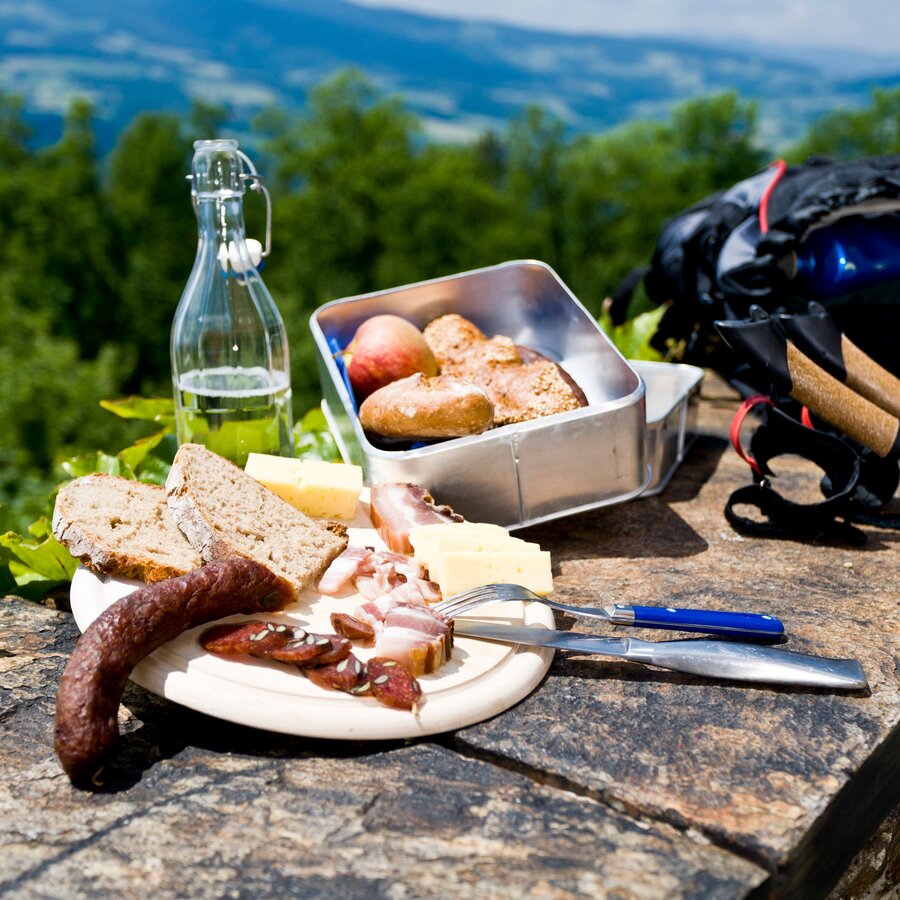
Rast in Pöllauberg | © Steiermark Tourismus | Leo Himsl
5/7
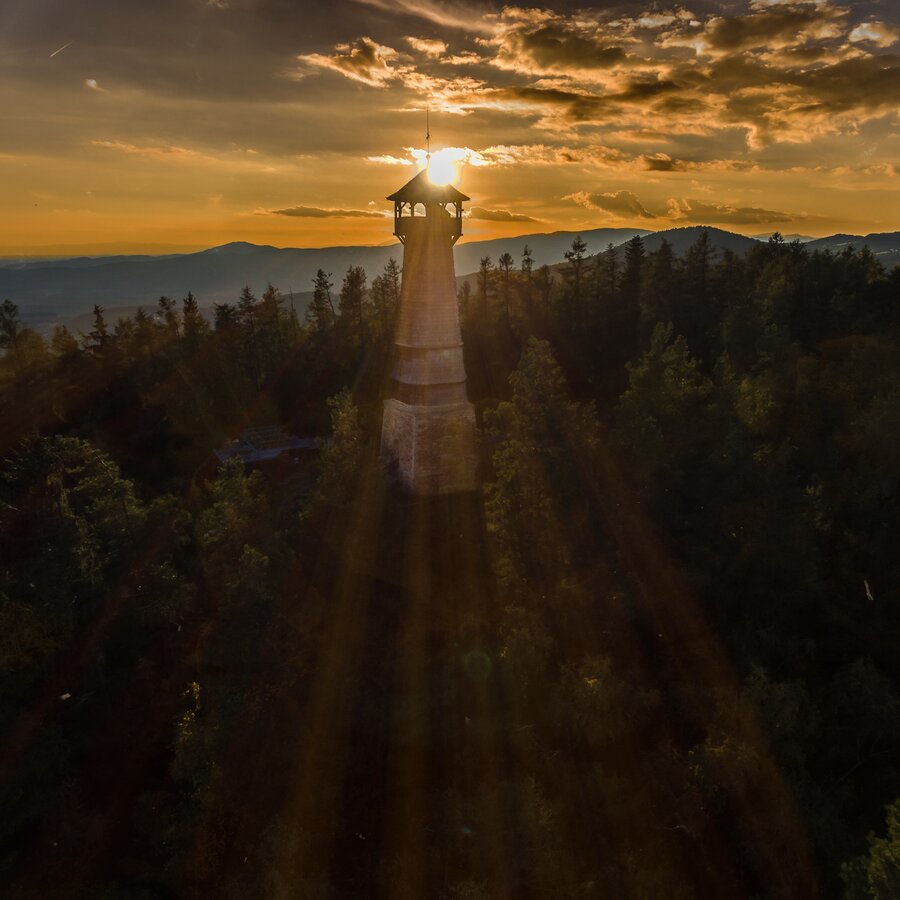
Luftaufnahme der Ringwarte bei Sonnenuntergang © TV Hartbergerland, Rene Langer | © Oststeiermark Tourismus | Rene Langer
6/7
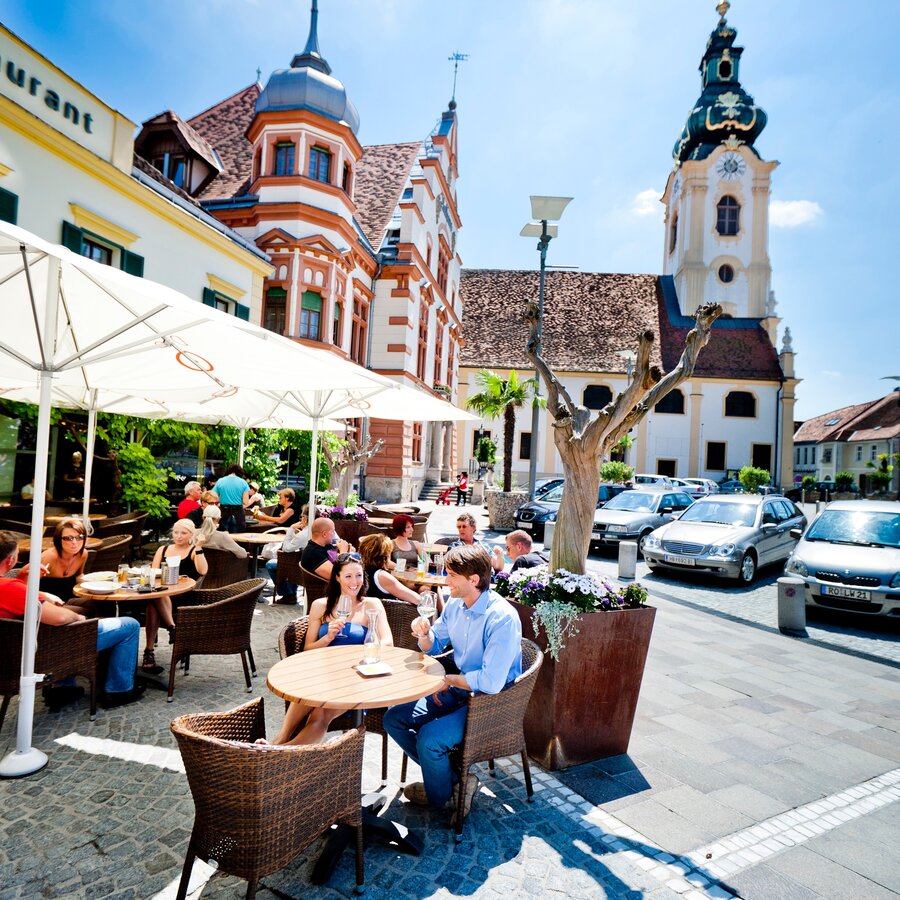
Am Hauptplatz von Hartberg | © Steiermark Tourismus | Tom Lamm
7/7

What the weather will be like Pöllau (421m)
Today, 25.10.2026
Mostly cloudy through the day with a chance of occasional sunny spells.Morning

2°C
sr.Regenwahrscheinlichkeit
0%
sr.Windstärke
5 km/h
Noon

10°C
sr.Regenwahrscheinlichkeit
5%
sr.Windstärke
10 km/h
Night

7°C
sr.Regenwahrscheinlichkeit
50%
sr.Windstärke
5 km/h
Tomorrow, 26.10.2026
Dry and partly sunny throughout the day, with cloudy periods from time to time.Morning
4°C
sr.Regenwahrscheinlichkeit
25%
sr.Windstärke
5 km/h
Noon
12°C
sr.Regenwahrscheinlichkeit
5%
sr.Windstärke
10 km/h
Night
6°C
sr.Regenwahrscheinlichkeit
0%
sr.Windstärke
0 km/h
Forecast
27.10.2026

1°C
13°C
28.10.2026
0°C
14°C
29.10.2026
5°C
14°C
