


Holidays in Steiermark
Pure enjoyment from Glacier to Wine
Holidays in Steiermark stand for diverse enjoyment – "from Glacier to Wine". The Green Heart of Austria is known for its variety of different types of landscapes.
Its extraordinary contrasts range from the 2,995-metre-high Dachstein to the thermal waters of the Vulkania® healing spring, which rise from a depth of 2,843 metres. It is contrasts such as these that are appreciated by visitors and locals alike. The alpine north, the urban centre featuring Graz, and the delightful south and east offer a colourful array of possibilities within a short distance.
Styrian cuisine
Vineyards & gardens
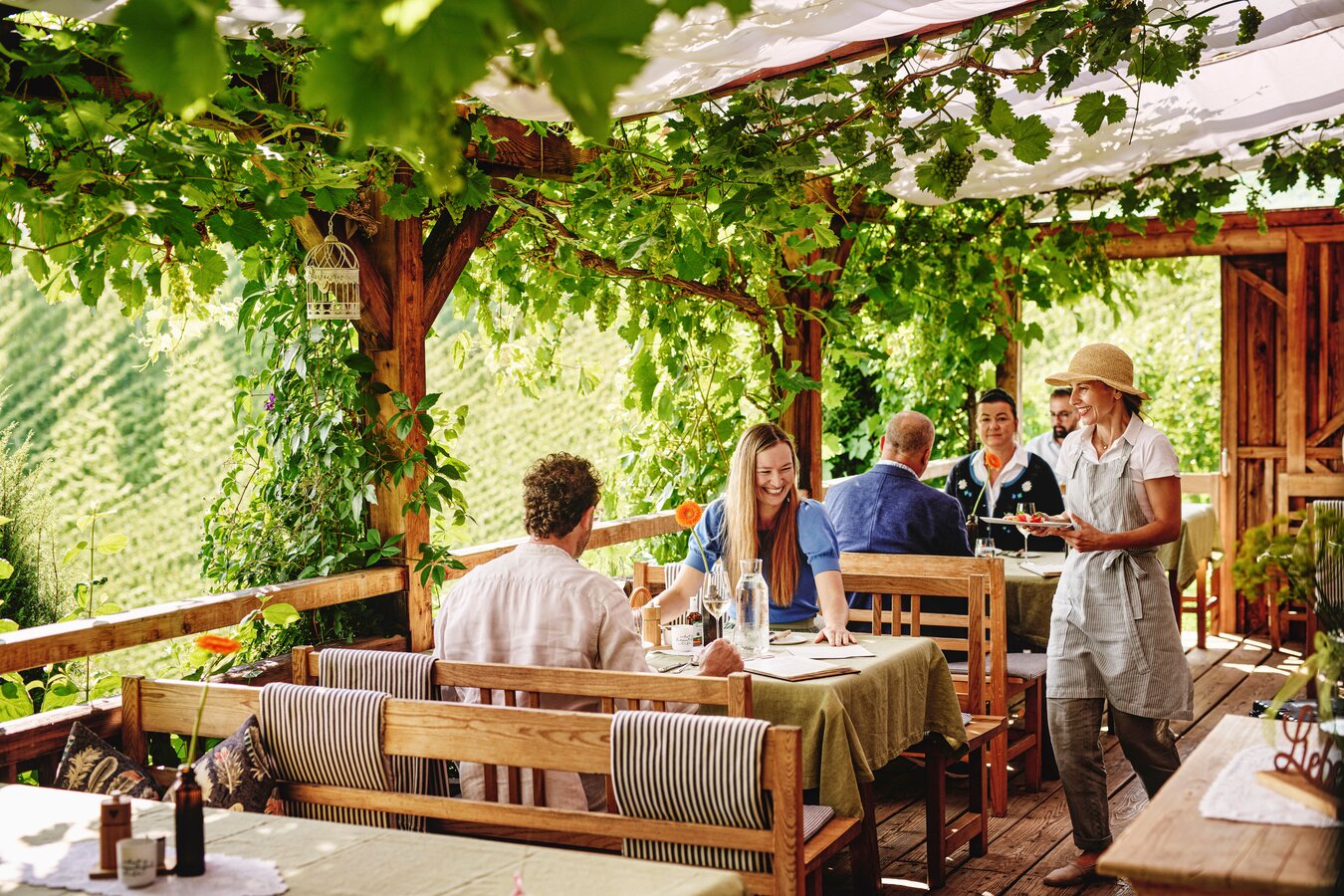
Welcome to the delicatessen shop and orchard of Austria! Whatever you decide to call Steiermark: It is – especially in the south and east – the most fertile federal state of Austria and produces food of great quality and variety, from apples and pumpkin seeds to exquisite wines.
Styrians are very proud and aware of the special nature of their cuisine – at its centre, the famous "trilogy of taste" consisting of wine, pumpkin and apple. After all, these and other culinary delights are an important part of the Styrian way of life.
Steiermark has ...
- ... a wine-growing area of 5,096 ha.
- ... Austria's largest apple-growing region with 4,790 ha.
- ... about 9,000 ha of pumpkin cultivation area.
In Steiermark grows ...
- ... grapes for 220,000 to 280,000 hectolitres of wine (about 80 % of which is white wine).
- ... about 110,000 - 150.000 tons of apples annually (about 75 % of Austria's supply).
- ... pumpkins for almost 3.2 million litres of original Styrian pumpkin seed oil.
Source: Landwirtschaftskammer Steiermark, Wein Steiermark, Landesentwicklung Steiermark
Staying active in nature
Mountains & forests
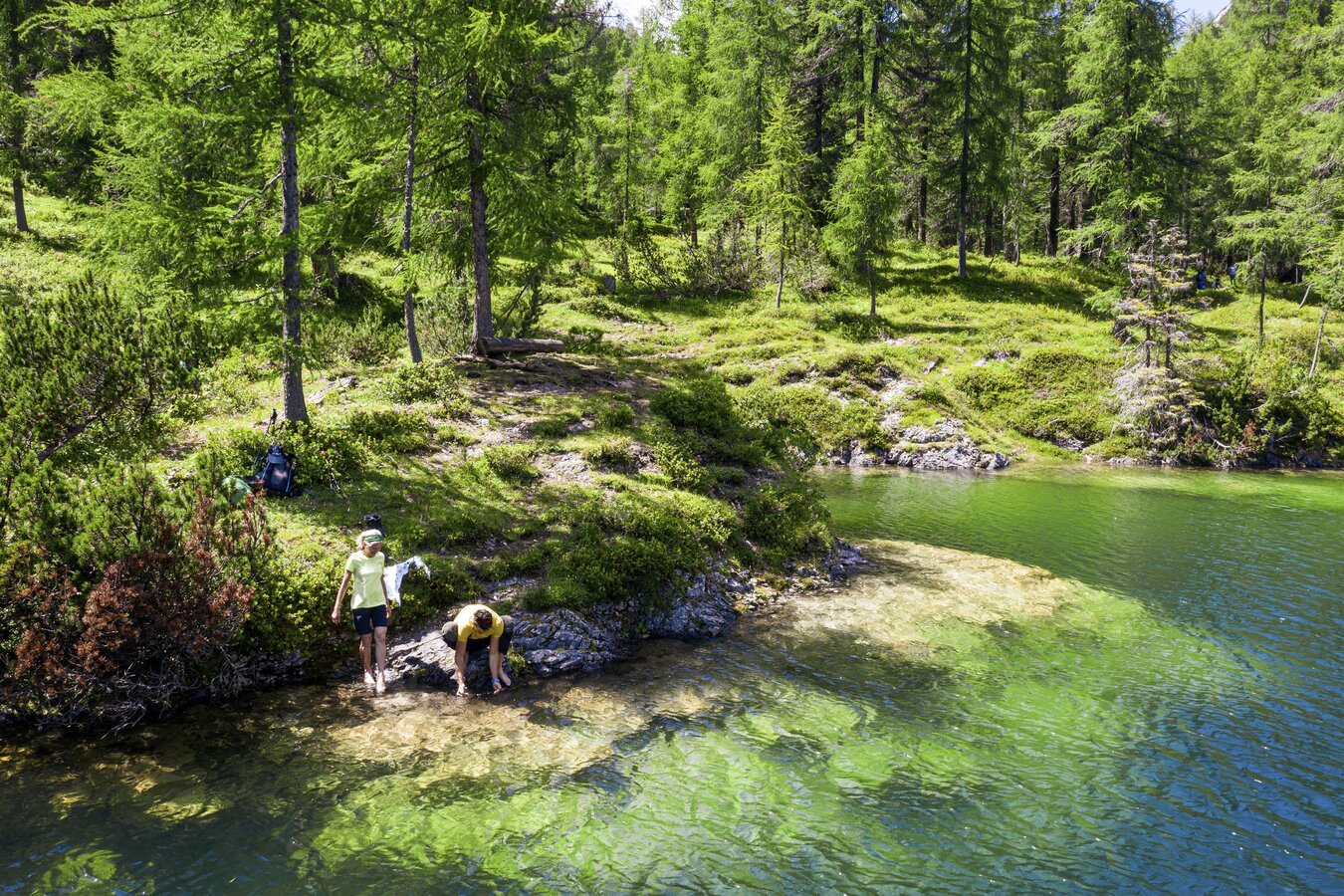
Between the Dachstein, Gesäuse, Hochschwab, Zirbitzkogel and Peter Roseggers Waldheimat, between rivers, on meadows and in gorges: With a total of 850 million trees, Steiermark has a fascinating reputation as the most densely wooded federal state in Austria – hence its nickname: the Green Heart of Austria. Especially the landscapes in the north invite active holidaymakers to go hiking, cycling, mountainbiking, skiing, cross-country skiing, snowshoeing or ski touring. Of course, you can also relax, discover the diverse flora and fauna, and let nature exert its soothing effects on you.
Steiermark is ...
- ... 16,400 km² in size (the second-largest federal state) and almost 62 % forested.
The Green Heart of Austria has ...
- ... 676 mountain peaks (Source: Austrian Alpine Club) and the nearly 3,000 metre-high Dachstein at 2,995 metres.
- ... one national park, 7 nature parks, one UNESCO biosphere park, one UNESCO Global Geopark and more than 50 Natura 2000 protected areas.
- ... 1,685 alpine pastures
- ... 20 summer cable car lifts bring you up to mountsins full of adventures.
- ... about 70 ski resorts with more than 350 skilifts, 24 funparks and -slopes, around about 40 toboggaun runs and more.
- ... 17 cross-country skiing regions which are certified with the Ski Trail Seal of Quality by the Styrian Skiing Association.
Sources: Österreichischer Alpenverein, Landesentwicklung Steiermark
Health & wellness
Thermal spas & spring water
The nine thermal spas are one of the main pillars of the Styrian holiday offers. All year round, they provide the natural basis for regeneration and wellbeing. From classic therapies to contemporary health offers, the result is a harmonious health and holiday experience. Styria's flagship initiative is "Grünkraft Steiermark": "Grünkraft" guides such as therapists, but also hiking guides help guests find relaxation, their inner balance and new life energy. By the way, the mineral-rich water is much more than just something you can drink. Pristine rivers, bubbling waterfalls, spring-fed lakes: Styria's water often also forms the basis for recreation and unique experiences in nature. For most Styrians, it's a matter of course – for many of Styria's guests, it's pure luxury.
Steiermark has ...
- ... 9 thermal spas whose thermal water significantly reduces the stress hormone cortisol, among other things.
- ... a 180-year-old spa tradition in Bad Gleichenberg.
- ... as Austria's most densely wooded federal state with around 850 million trees, there is plenty of space for forest bathing.
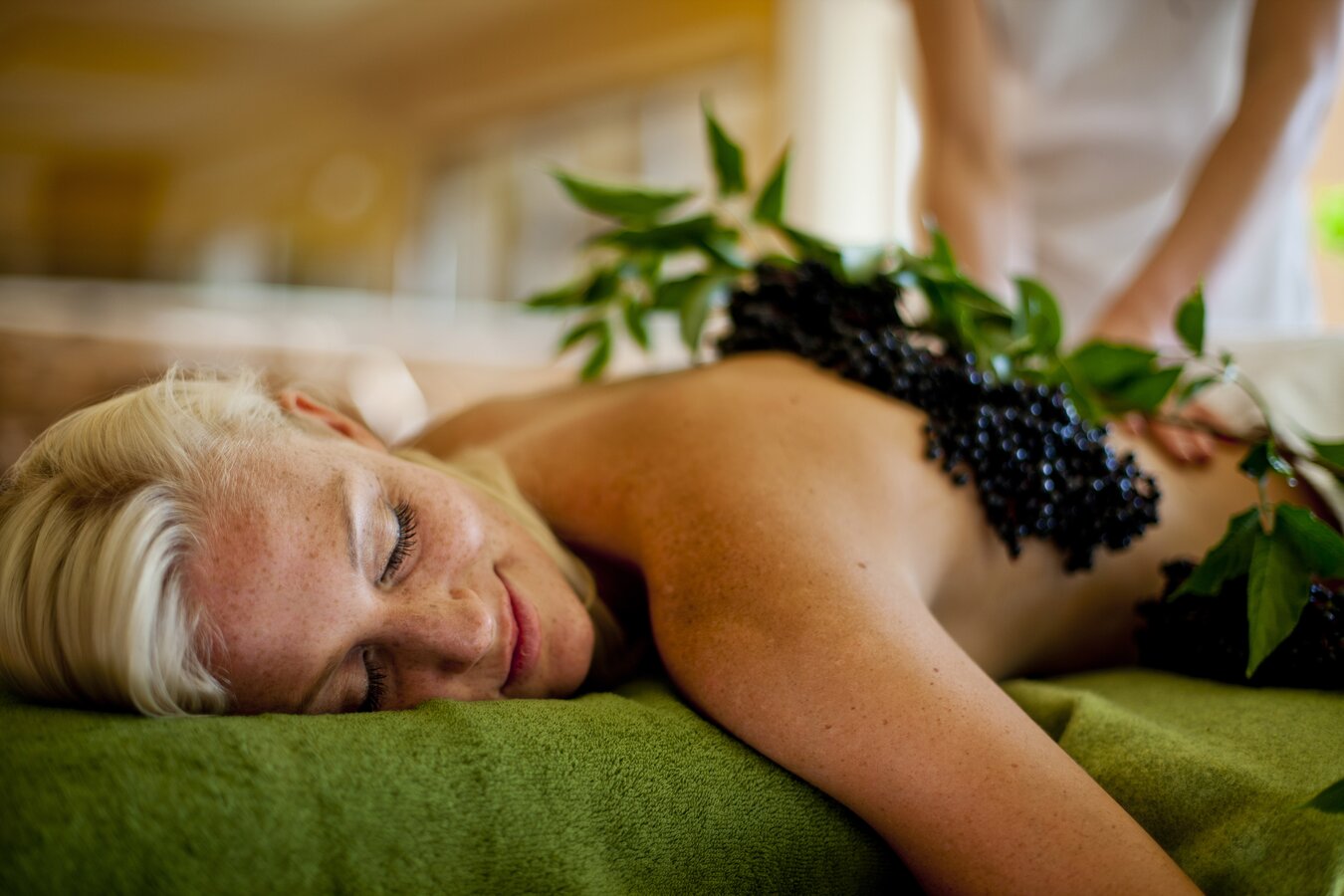
- ... many typical regional treatments surrounding Styria's flagship products apple, wine and pumpkin.
Speaking of water: In Steiermark, ...
- ... Lake Grundlsee is the largest lake with 4.3 square kilometres.
- ... Günster Waterfall is the tallest waterfall in Styria with an impressive drop of 65 metres.
- ... the Mur is the longest river with 290.9 kilometres.
Source: Landesentwicklung Steiermark

Curious about culture
Towns & villages
From Graz, the Cultural Capital with the largest population, to Mariazell, the largest town in terms of size, to Hohentauern, the smallest and highest municipality: Styria's towns and villages with their numerous cultural attractions are the ideal starting points for getting to know the Green Heart of Austria, its history and the traditions that have come out of it. Many of them are still alive and well today and shape the Styrian people's daily lives.
From the Lipizzan horses at Stud Farm Piber to the Erzberg's mine, from Riegersburg Castle to Herberstein Garden Palace, complete with wildlife. From the more than 200-year-old Joanneum (Austria's first museum) to World Heritage Sites, Kunsthaus Graz (Graz Art Museum) and the modern architecture of the wineries: A long and eventful history alongside contemporary art ensure rich encounters with the past as well as the present of Styria.
Graz, the federal state's capital, ...
- ... has 307.912 inhabitants (Stand 1.1.2026), the greater Graz area around 470,000.
- ... is a university city with 4 universities, 2 universities of applied sciences and more than 63,000 students. Including the students at the University of Leoben, the two Joanneum Universities of Applied Sciences in Kapfenberg and Bad Gleichenberg and the two University College of Teacher Education, Styria is home to more than 63,000 students.
- ... was European Capital of Culture in 2003 and is a UNESCO World Heritage Site as well as City of Design.
Source: Landesentwicklung Steiermark


Styrians as your hosts
Steiermark has become an increasingly attractive holiday destination over the decades and is the most popular federal state for a holiday among Austrians. Styrians are warm, welcoming hosts – intensely passionate about and deeply rooted in their homeland.


