


Stage 11 A Mariazell Route Veitsch/Rotsohlalm - Mariazell
Characteristics
SkillThe tour in numbers
Level of difficulty
challenging
Route
27,6 km
Time
7:30 h
Uphill
840 hm
Downhill
1379 hm
Highest point
1497 m
Alpine finale: The final 29 km lead through the alpine pasture landscapes of the Mürzer Oberland Nature Park towards the Basilica of Mariazell. Highlights along the way include magnificent views of the Bärental rock face and the Hochschwab mountain range.
At the end of the journey lies Mariazell, the largest pilgrimage destination in Central Europe – a place with a long and eventful history. It has faced many challenges over the centuries: invasions by the Ottomans in 1420 and 1474, repeated devastating fires, outbreaks of plague and the occupation by French troops. In 1809, the church treasures were brought to safety just in time. The year 1816, known as the “year without a summer”, brought severe hardship, prompting Archduke Johann to introduce the cultivation of potatoes to help the population.
In 1827, a major fire broke out on All Souls’ Night, destroying much of the town and severely damaging the church. More positive milestones followed: the opening of the Mariazeller railway in 1907, electrified just a few years later, and the construction of one of Austria’s first cable cars to the Bürgeralpe in 1928.
In 1827, a major fire broke out on All Souls’ Night, destroying much of the town and severely damaging the church. More positive milestones followed: the opening of the Mariazeller railway in 1907, electrified just a few years later, and the construction of one of Austria’s first cable cars to the Bürgeralpe in 1928.
Best season
January
February
March
April
May
June
July
August
September
October
November
December
More information
Detailed information on how to get there can be found here.
Access to the Rotsohlalm is permitted only for farmers, landowners, and alpine pasture operators.
The stage begins at the Rotsohlalm, leading across a scenic alpine meadow to the Nikolkreuz, a wayside shrine erected by miners who once worked in the area. A newly created path continues with constant views of the Hochschwab range.
After a junction, the route follows forest roads to the Niederalpl pass with the Plodererhof, where it joins the North–South long-distance trail (No. 05). This pass already forms part of the Mürzer Oberland Nature Park and connects the Mariazell region with the Mürztal valley.
From the pass, the trail leads across meadows of a ski area to the Wetterinalm, and from there gently across beautiful alpine pastures to the Herrenbodenalm. After a final short ascent, the route descends to Schöneben, where both variants of the Mariazeller Way rejoin.
The final section partly follows a road via the Mooshuben, home to the well-known Mooshuben inn, a traditional stop for pilgrims. From there, the trail continues over the Kreuzberg to the destination: Mariazell. Mariazell has been one of the most important pilgrimage destinations in Central Europe for centuries. Its Basilica has shaped the townscape for generations and remains the spiritual focus for pilgrims from near and far.
After a junction, the route follows forest roads to the Niederalpl pass with the Plodererhof, where it joins the North–South long-distance trail (No. 05). This pass already forms part of the Mürzer Oberland Nature Park and connects the Mariazell region with the Mürztal valley.
From the pass, the trail leads across meadows of a ski area to the Wetterinalm, and from there gently across beautiful alpine pastures to the Herrenbodenalm. After a final short ascent, the route descends to Schöneben, where both variants of the Mariazeller Way rejoin.
The final section partly follows a road via the Mooshuben, home to the well-known Mooshuben inn, a traditional stop for pilgrims. From there, the trail continues over the Kreuzberg to the destination: Mariazell. Mariazell has been one of the most important pilgrimage destinations in Central Europe for centuries. Its Basilica has shaped the townscape for generations and remains the spiritual focus for pilgrims from near and far.
Mountain Rescue
Emergency Number: 140
Emergency
Call Tip – Answer the six key questions: What happened? How many people are
injured? Where did the accident happen (possibly with GPS coordinates)? Who is
calling (call-back number)? When did it happen? What are the weather conditions
at the accident site?
Packing your
backpack properly makes a big difference: pack heavier items first. Your
water bottle should always be easily accessible in a side pocket. Items you
need frequently, such as sunglasses, a camera, or a hiking map, should be
placed on top. An emergency kit, including blister plasters, belongs in every
backpack, and dressing in layers (“onion principle”) is always recommended.
Cycling Pilgrimage in the Hochsteiermark
Cycling pilgrimage combines cycling, experiencing nature, and inner reflection. Across four routes leading to Mariazell, the focus is not on speed, but on mindful travel — with time for breaks, encounters, and personal thoughts. The combination of movement, landscape, and spiritual places makes a cycling pilgrimage to Mariazell a truly special journey: being on the move while, at the same time, arriving within oneself.
Cycling pilgrimage combines cycling, experiencing nature, and inner reflection. Across four routes leading to Mariazell, the focus is not on speed, but on mindful travel — with time for breaks, encounters, and personal thoughts. The combination of movement, landscape, and spiritual places makes a cycling pilgrimage to Mariazell a truly special journey: being on the move while, at the same time, arriving within oneself.
Accessible by train and bus: detailed information about arriving by ÖBB (Austrian Federal Railways) can be found at www.oebb.at or on the Verbundlinie Steiermark website www.busbahnbim.at
With
Verbundlinie’s BusBahnBim route planner app, planning your journey
has never been easier: simply enter towns and/or addresses, stop names or
points of interest to check all bus, train and tram connections in Austria. The
app is available free of charge for smartphones – on Google Play and in the App
Store
TVB Hochsteiermark, Tel. +43 3862 55020
www.hochsteiermark.at
Steiermark Tourismus, Tel. +43 316 4003
www.steiermark.com
www.steiermark.com/mariazell-pilgrimage-route
Map & downloads
Gallery
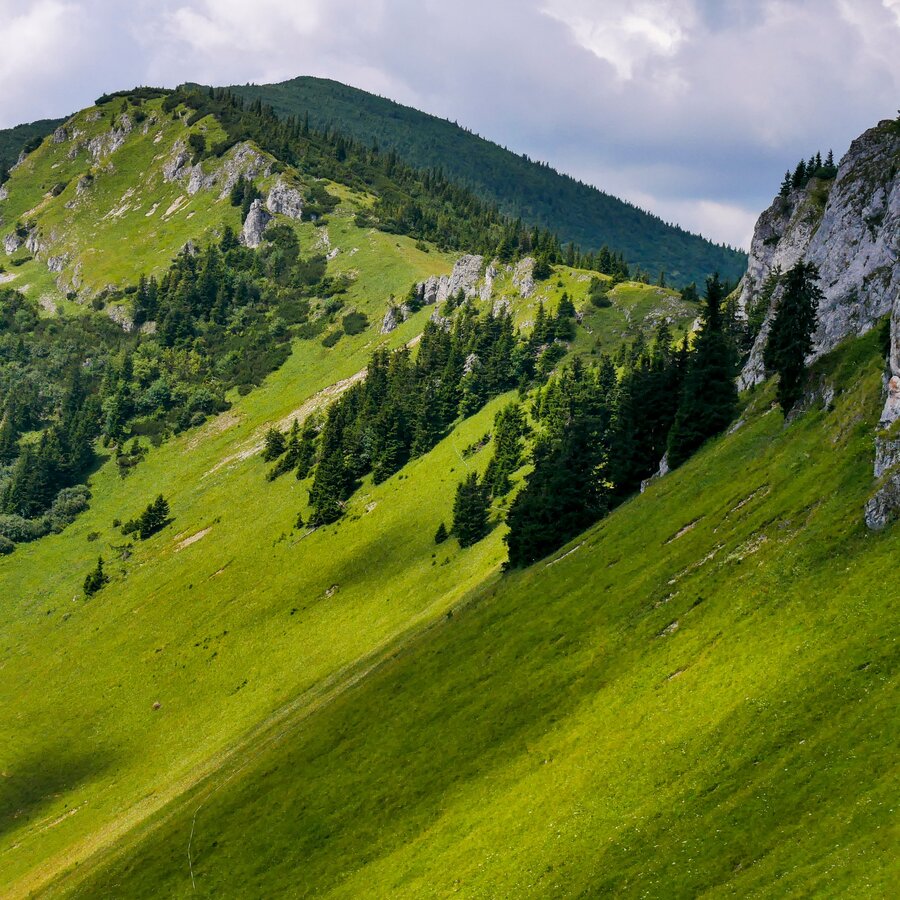
Die grüne Steiermark in den Mürzsteger Alpen | © Steiermark Tourismus | Manfred Polansky
1/7
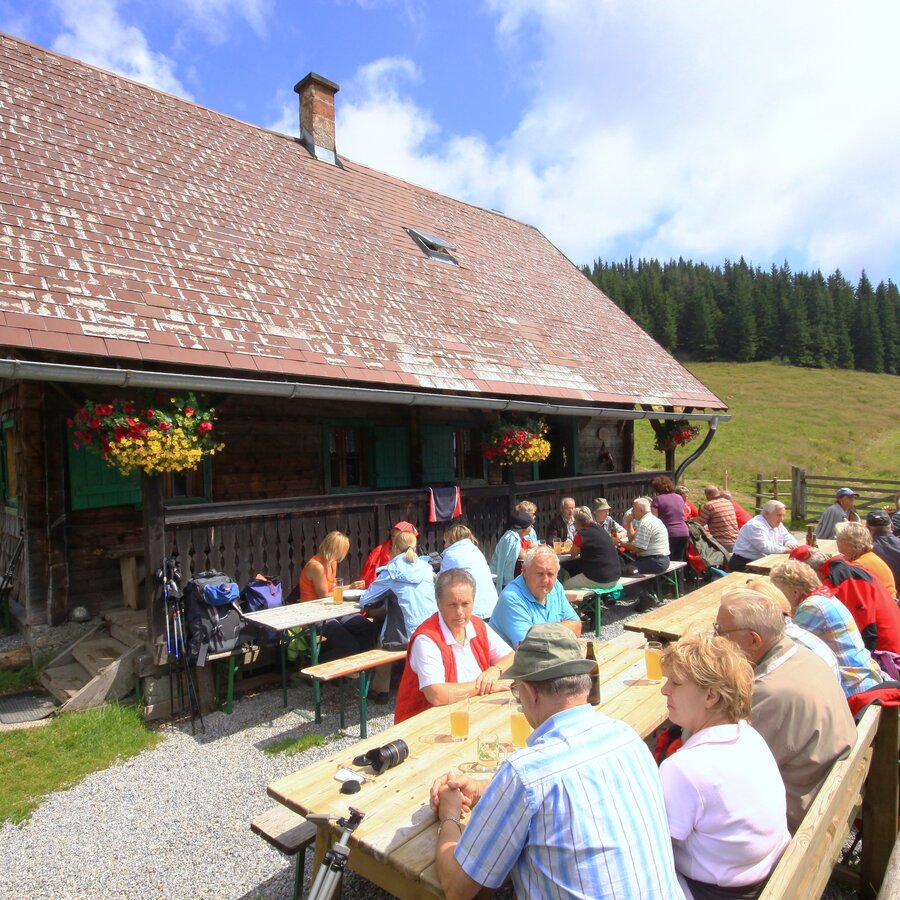
Rotsohlalm Hütte | © TV Hochsteiermark | Herbert Podbressnik
2/7
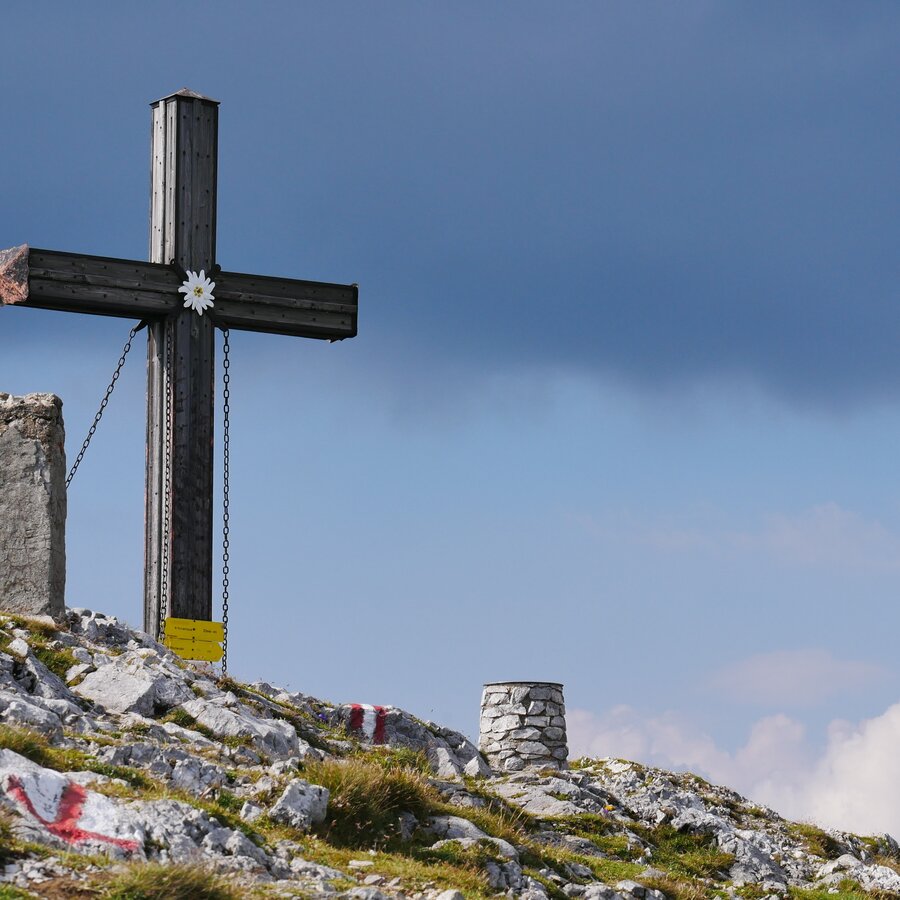
Gipfel der Veitsch | © Steiermark Tourismus | Manfred Polansky
3/7
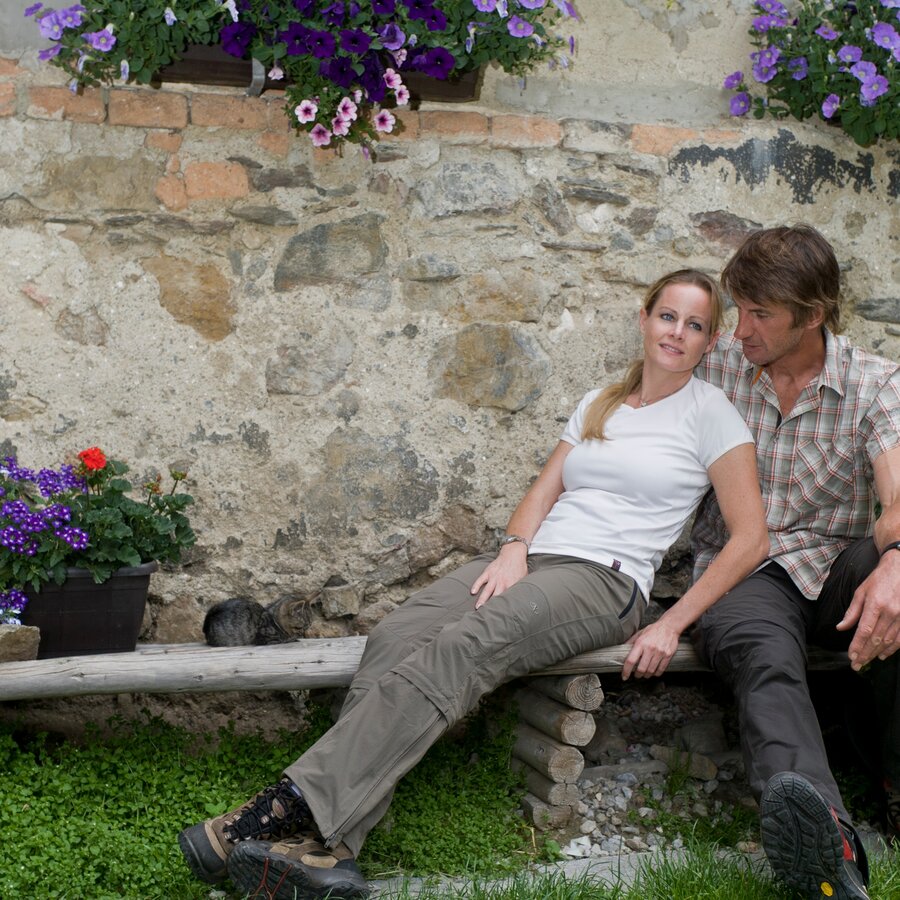
Rast am Weg auf die Veitsch | © Steiermark Tourismus | Leo Himsl
4/7
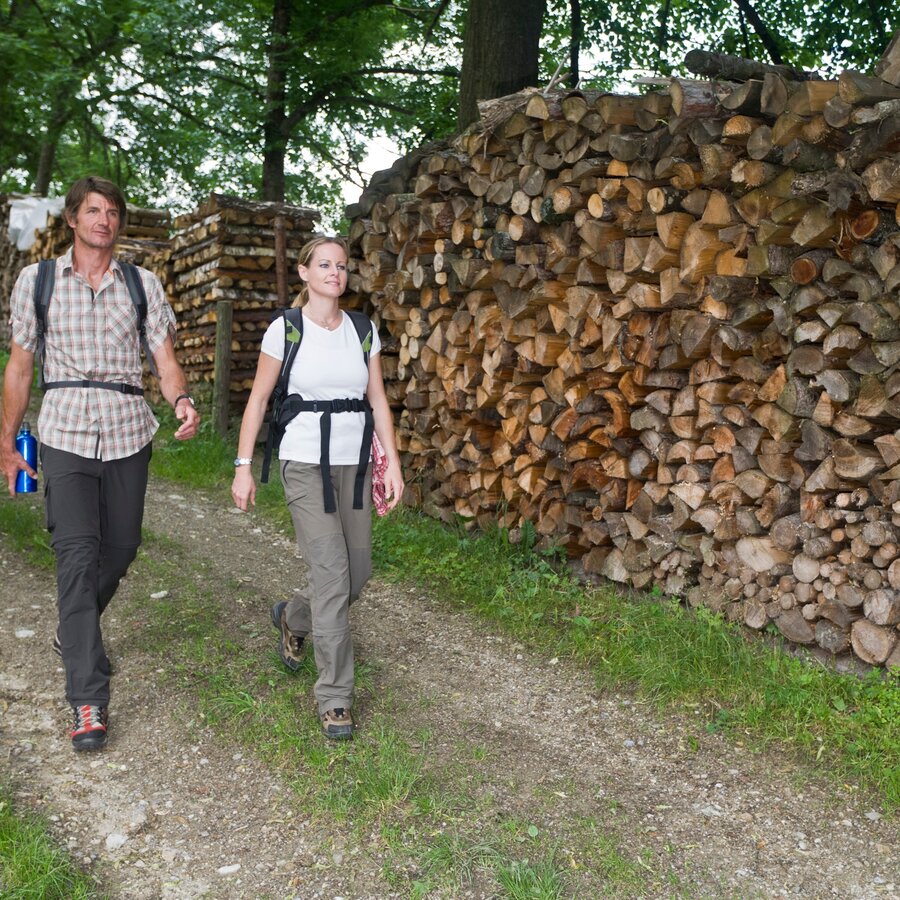
Noch gemütlich unterwegs vor dem Aufstieg auf die Veitsch | © Steiermark Tourismus | Leo Himsl
5/7
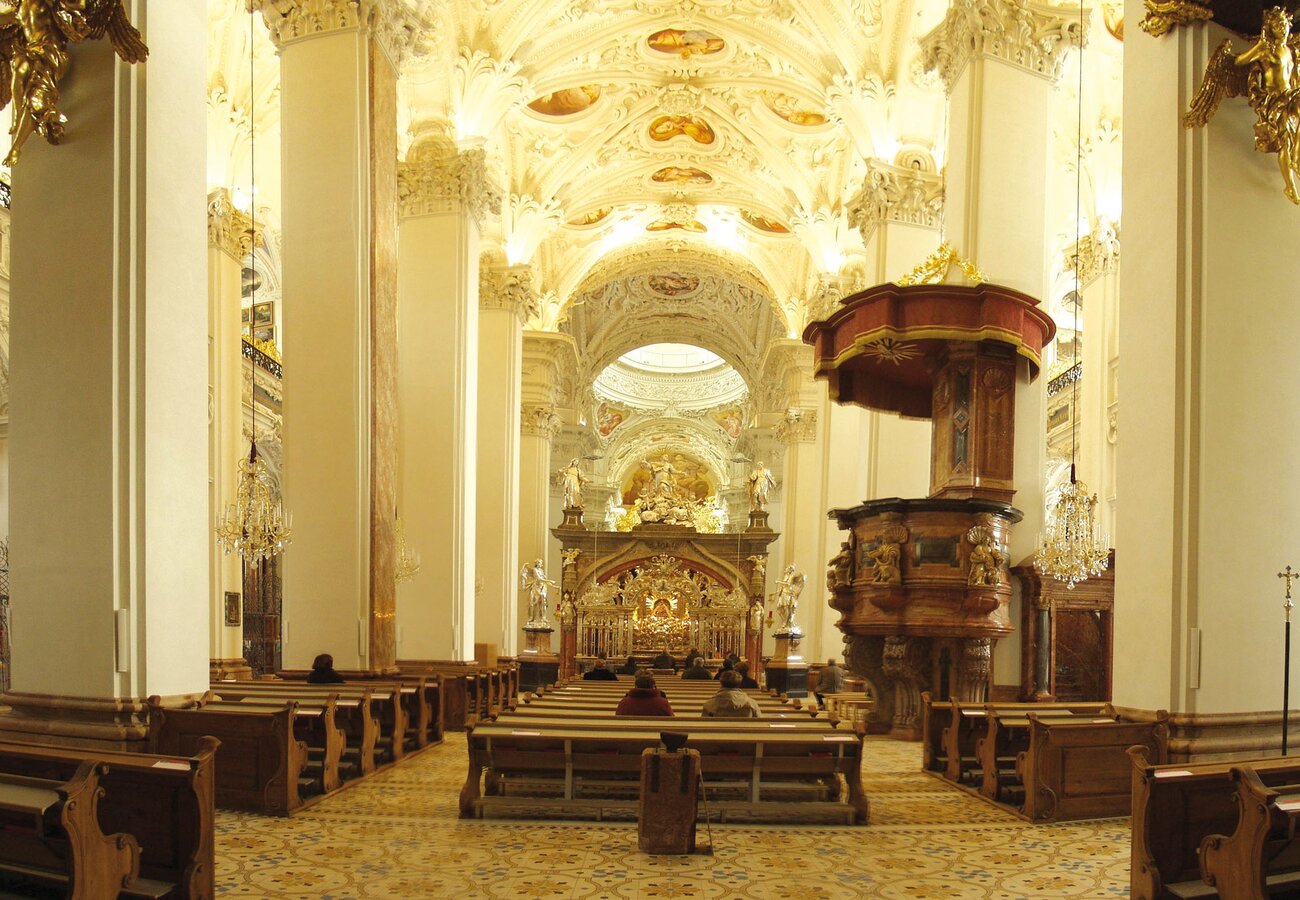
Innenansicht Basilika | © TV Hochsteiermark
6/7
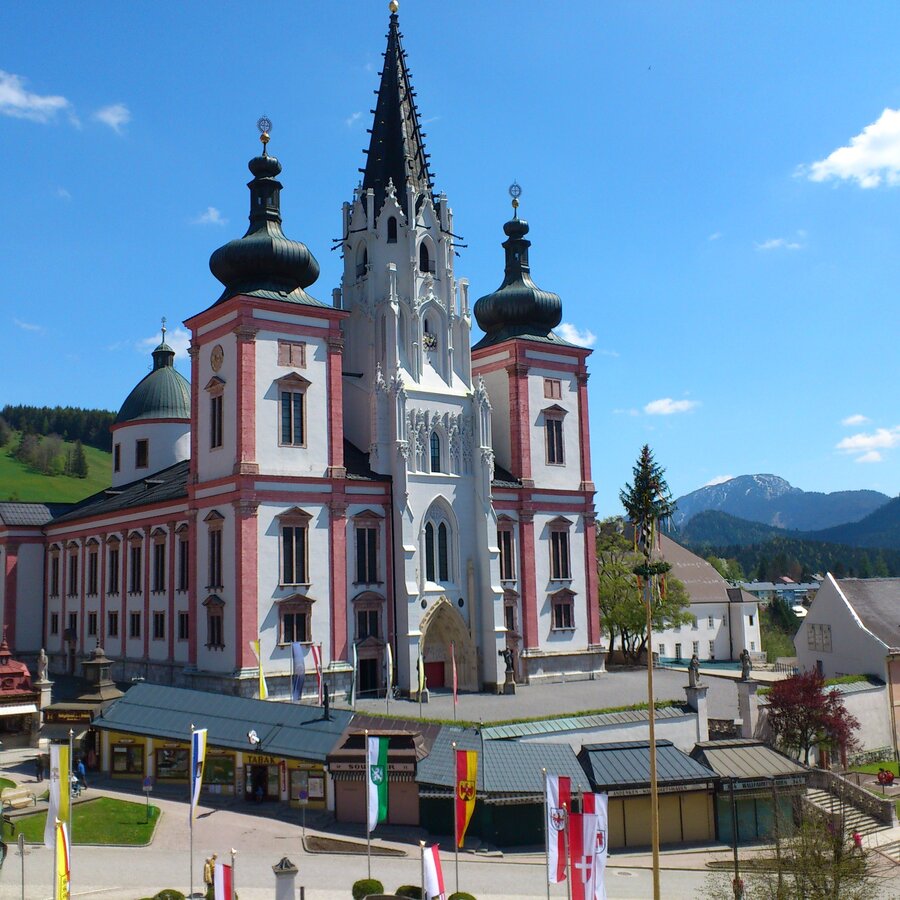
Basilika Mariazell | © TV Hochsteiermark
7/7

What the weather will be like Turnau (756m)
Today, 26.10.2026
Showers will die away soon to leave a partly sunny day.Morning

4°C
sr.Regenwahrscheinlichkeit
60%
sr.Windstärke
10 km/h
Noon

10°C
sr.Regenwahrscheinlichkeit
40%
sr.Windstärke
10 km/h
Night
4°C
sr.Regenwahrscheinlichkeit
10%
sr.Windstärke
0 km/h
Tomorrow, 27.10.2026
Some clouds in the morning, lateron much sunshine and hardly any cloudsMorning

1°C
sr.Regenwahrscheinlichkeit
0%
sr.Windstärke
0 km/h
Noon

11°C
sr.Regenwahrscheinlichkeit
0%
sr.Windstärke
5 km/h
Night
4°C
sr.Regenwahrscheinlichkeit
0%
sr.Windstärke
0 km/h
Forecast
28.10.2026
1°C
13°C
29.10.2026
4°C
11°C
30.10.2026
3°C
11°C
