


Ruin Ahnherrn Circular walking route Nr. 2
Characteristics
SkillThe tour in numbers
Level of difficulty
challenging
Route
14,6 km
Time
5:00 h
Uphill
362 hm
Downhill
385 hm
Highest point
762 m
A rather challenging day trip to the Ahnherrn ruins. The steep path to the ruins requires a good sense of direction and sure-footedness. The return journey along the ridge, however, is straightforward.
Once you’ve reached the ruins, you’ll be rewarded with a magnificent view – time for a break.
Once you’ve reached the ruins, you’ll be rewarded with a magnificent view – time for a break.
From the starting point, head to the main square in Schwanberg and walk past the pharmacy, turning left onto Maindorferstraße. The signposted Ahnherrn Circular Trail 2 passes the school and the sports ground on its way to the Stullnegg Bridge, which we cross. In front of the Stegweber inn, our route now turns left, initially following the long-distance hiking trail 506 to Grünberg. There, the Ahnherrnweg 2 crosses back to the other side of the stream and follows the tarmac Stullneggstraße past the retention basin for a short distance to the right. A cross-country variant of the Ahnherrnweg soon branches off to the left onto a forest track leading uphill, which subsequently runs consistently parallel to the Stullneggstraße above. Take care at a sharp S-bend: continue straight ahead here too, then turn right onto the hard-to-see red-and-white marked path!
The path joins a forest track again, which then leads back down to Stullneggstraße. Of course, you can also simply stay on the road, which is not only easier but also saves time. Just before the Stullnegg Bridge, which you’ll soon reach, a shorter road alternative branches off to the left onto Koglerweg, but the path to the Ahnherrnruine branches off to the left just a few metres after the bridge. This path leads through the side ditch to the point where the high-voltage power line appears. Here, keep to the right along the ditch and climb up to a new path. Follow this to the right for a few minutes until the red-and-white marked trail branches off to the right. The trail crosses very steep terrain (take particular care in wet conditions) and soon reaches the ruins. We continue to follow the red-and-white marked path, which climbs very steeply up to the new forest track. Now we are back on firm ground and walk five kilometres past the Müllersimi, Reichensackl and Lagler farms to the marked junction into the Weiherbachgraben. Following the stream, the route leads to the parish church and back to the main square via Kurchgasse.
If you wish to avoid the slightly mountainous section of the route to the Ahnherrnruine, you can turn left onto the Koglerweg in the final section of the Graben, just before the Stullnegg Bridge. This signposted cycle route takes you directly and more directly onto the road leading towards Schwanberg. = Time saved: 1 hour.
The path joins a forest track again, which then leads back down to Stullneggstraße. Of course, you can also simply stay on the road, which is not only easier but also saves time. Just before the Stullnegg Bridge, which you’ll soon reach, a shorter road alternative branches off to the left onto Koglerweg, but the path to the Ahnherrnruine branches off to the left just a few metres after the bridge. This path leads through the side ditch to the point where the high-voltage power line appears. Here, keep to the right along the ditch and climb up to a new path. Follow this to the right for a few minutes until the red-and-white marked trail branches off to the right. The trail crosses very steep terrain (take particular care in wet conditions) and soon reaches the ruins. We continue to follow the red-and-white marked path, which climbs very steeply up to the new forest track. Now we are back on firm ground and walk five kilometres past the Müllersimi, Reichensackl and Lagler farms to the marked junction into the Weiherbachgraben. Following the stream, the route leads to the parish church and back to the main square via Kurchgasse.
If you wish to avoid the slightly mountainous section of the route to the Ahnherrnruine, you can turn left onto the Koglerweg in the final section of the Graben, just before the Stullnegg Bridge. This signposted cycle route takes you directly and more directly onto the road leading towards Schwanberg. = Time saved: 1 hour.
Best season
January
February
March
April
May
June
July
August
September
October
November
December
More information
From Graz, take the A2 motorway towards Klagenfurt and exit at ‘Lieboch’. Continue on the B76 towards Deutschlandsberg and Bad Schwanberg. In Bad Schwanberg, turn right at the traffic lights towards the main square, or head for the signposted, free car parks.
Von den gebührenfreien Parkplätzen gehen wir zum Hauptplatz in Schwanberg und wandern nun an der Apotheke vorbei nach links in die Maindorferstraße. Der beschilderte Ruine Ahnherrn Rundwanderweg 2 führt an der Schule und dem Sportplatz vorüber zur Stullneggbrücke, die wir überqueren. Vor dem Gasthof Stegweber verläuft unsere Route nun nach links, die zunächst dem Weitwanderweg 506 bis nach Grünberg folgt. Dort führt der Ahnherrnweg 2 wieder auf die andere Bachseite und folgt der asphaltierten Stullneggstraße am Rückhaltebecken vorbei ein kurzes Stück nach rechts. Eine Querfeldein-Variante des Ahnherrnweges zweigt bald darauf nach links auf einen bergwärtsführenden Forstweg ab, der in der Folge konsequent parallel oberhalb zur Stullneggstraße verläuft. Vorsicht bei einer scharfen S-Kurve: auch hier gerade aus weiter und dann auf den schwer sichtbaren rot-weiß markierten Steig nach rechts abzweigen! Der Steig trifft wieder auf einen Forstweg, der in der Folge wieder auf die Stullneggstraße hinabführt. Natürlich können wir auch gleich direkt auf der Straße bleiben, was nicht nur einfacher, sondern auch zeitsparender ist. Vor der bald folgenden Stullneggbrücke biegt eine ebenfalls kürzere Straßenvariante auf den Koglerweg nach links ab, der Pfad zur Ahnherrnruine zweigt aber erst wenige Meter nach der Brücke links ab. Dieser Weg führt in den Seitengraben bis zu jener Stelle, an der die Hochspannungsleitung auftaucht. Hier halten wir uns rechts am Graben entlang und steigen so zu einer neuen Wegtrasse hinauf. Dieser folgen wir wenige Minuten nach rechts, bis der rot-weiß markierte Steig nach rechts abzweigt. Der Steig quert stark abschüssiges Gelände (besondere Vorsicht bei Nässe) und trifft bald auf die Ruine. Wir folgen weiter dem rot-weiß markierten Steig, der sehr steil zum neuen Forstweg hinaufführt. Nun haben wir wieder sicheren Boden unter den Füssen und wandern fünf Kilometer an den Höfen Müllersimi, Reichensackl und Lagler vorbei bis zur markierten Abzweigung in den Weiherbachgraben. Am Bach entlang geht es zur Pfarrkirche und über die Kurchgasse zurück auf den Hauptplatz.
Why not take a look inside the monastery church in Bad Schwanberg? The main altarpiece, created by Johann Vitus Hauckh in 1709, is dedicated to the Holy Guardian Angels. The side chapel is a Loreto chapel featuring classical statues and columns. To the right of the main entrance, a glass display case contains a history of the monastery and the church.
Many starting points for our hikes in southern Styria can also be reached by public transport.
For a relaxed and sustainable journey, we recommend travelling by bus and train wherever possible. Depending on the region, additional local transport options are available.
This allows you to start your tour stress-free while also contributing to climate and nature conservation.
All information on public transport,
local mobility services and timetables can be found at: www.suedsteiermark.com/arrival
The nearest railway station is in Bad Schwanberg.
There are free parking spaces available in Schwanberg.
Information offices:
Bad Schwanberg Tourist Office, Tel.: +43 (5) 7730 610, 8541 Bad Schwanberg, Hauptplatz 1
South Styria Tourist Association, Tel.: +43 (5) 7730, 8530 Deutschlandsberg, Hauptplatz 40
Map & downloads
Gallery
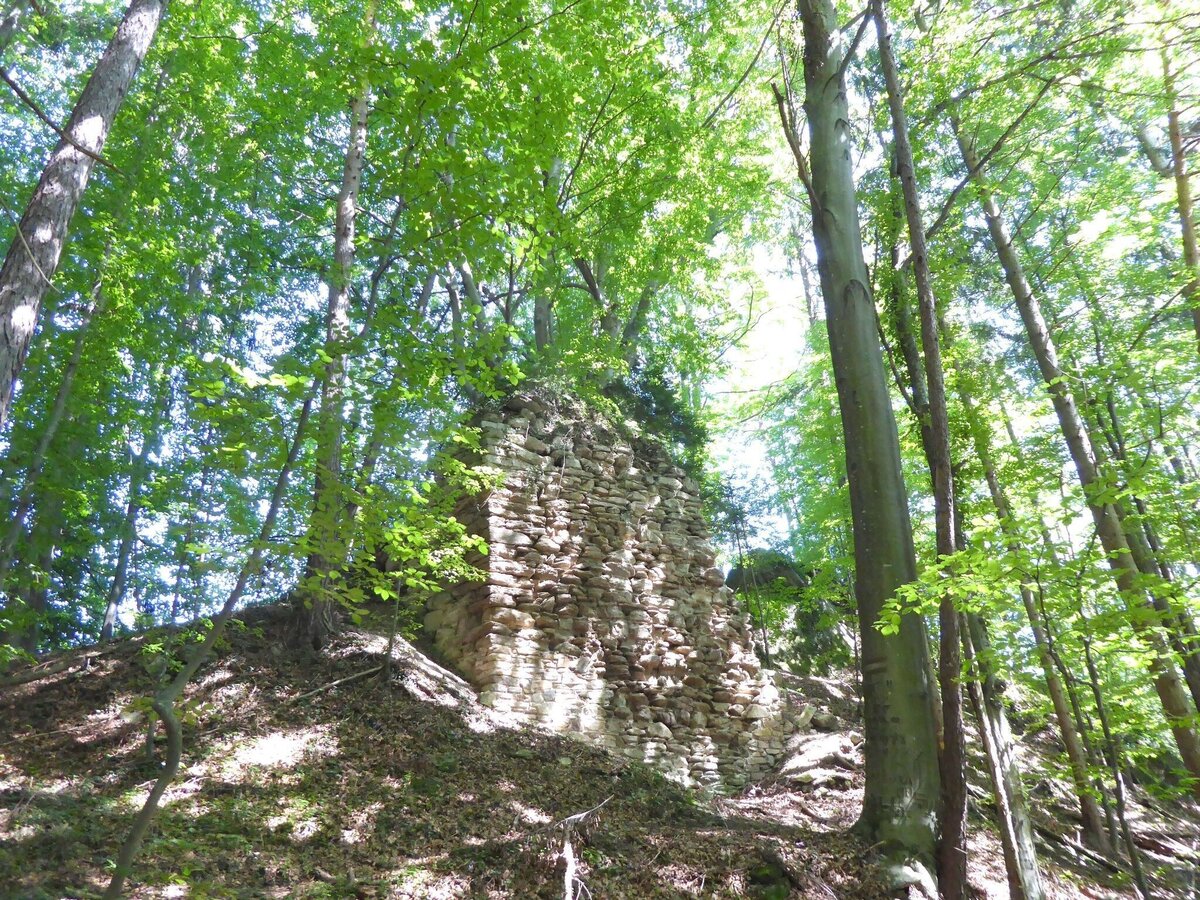
Die ältesten Teile der Ahnherrnruine stammen aus dem 13. Jahrhundert. | © TV Südsteiermark | Christian Heugl
1/6
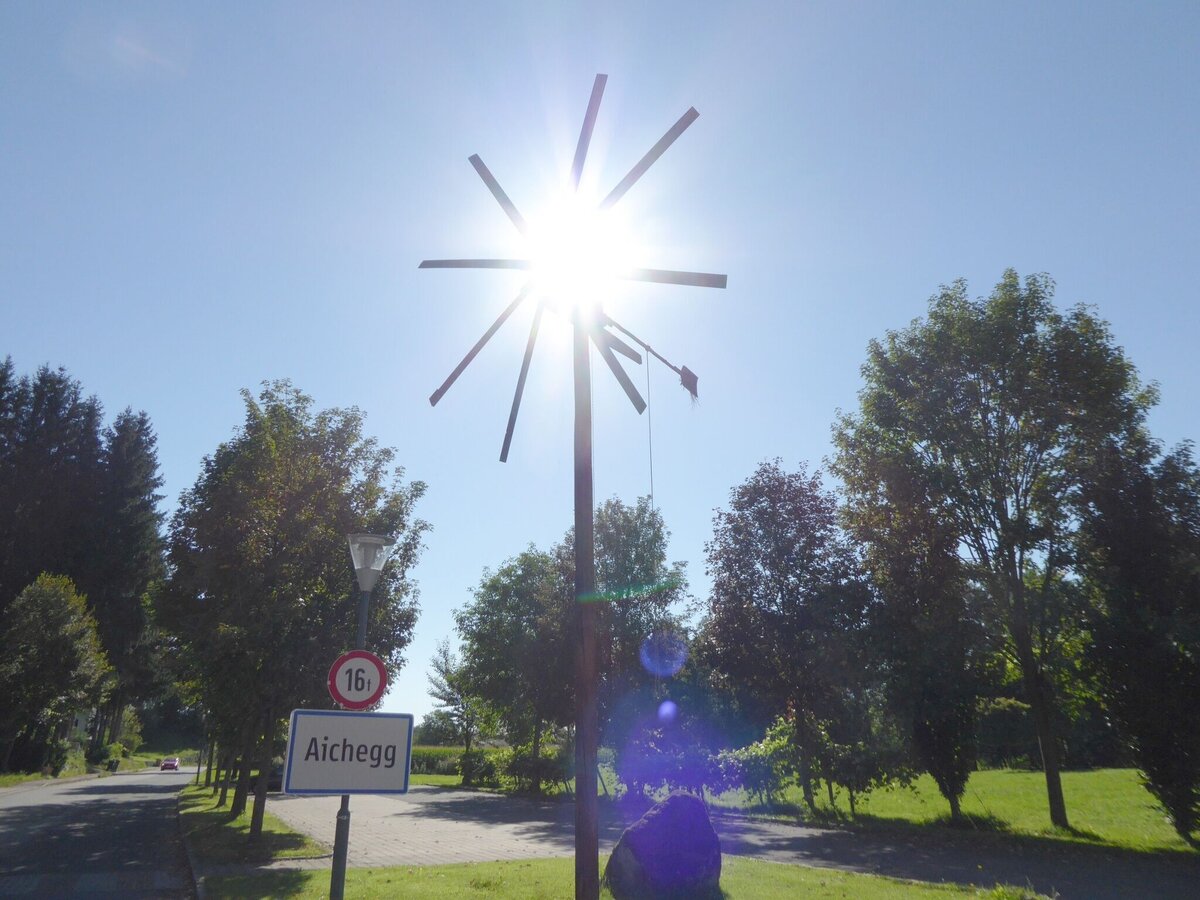
Klapotetz in Aichegg nahe der Stullneggbrücke | © TV Südsteiermark | Christian Heugl
2/6
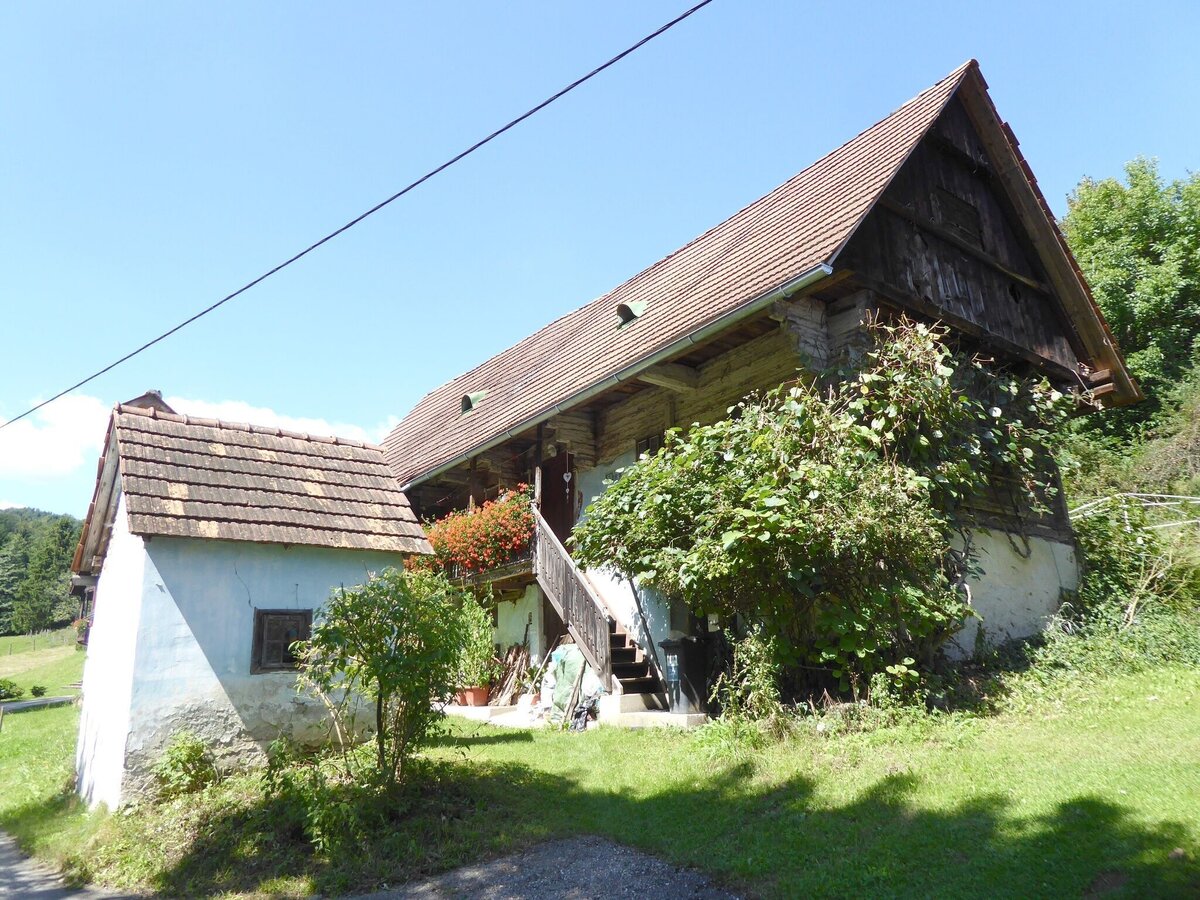
ruine ahnherrn rundwanderweg_img_19946841 | © TV Südsteiermark | Christian Heugl
3/6
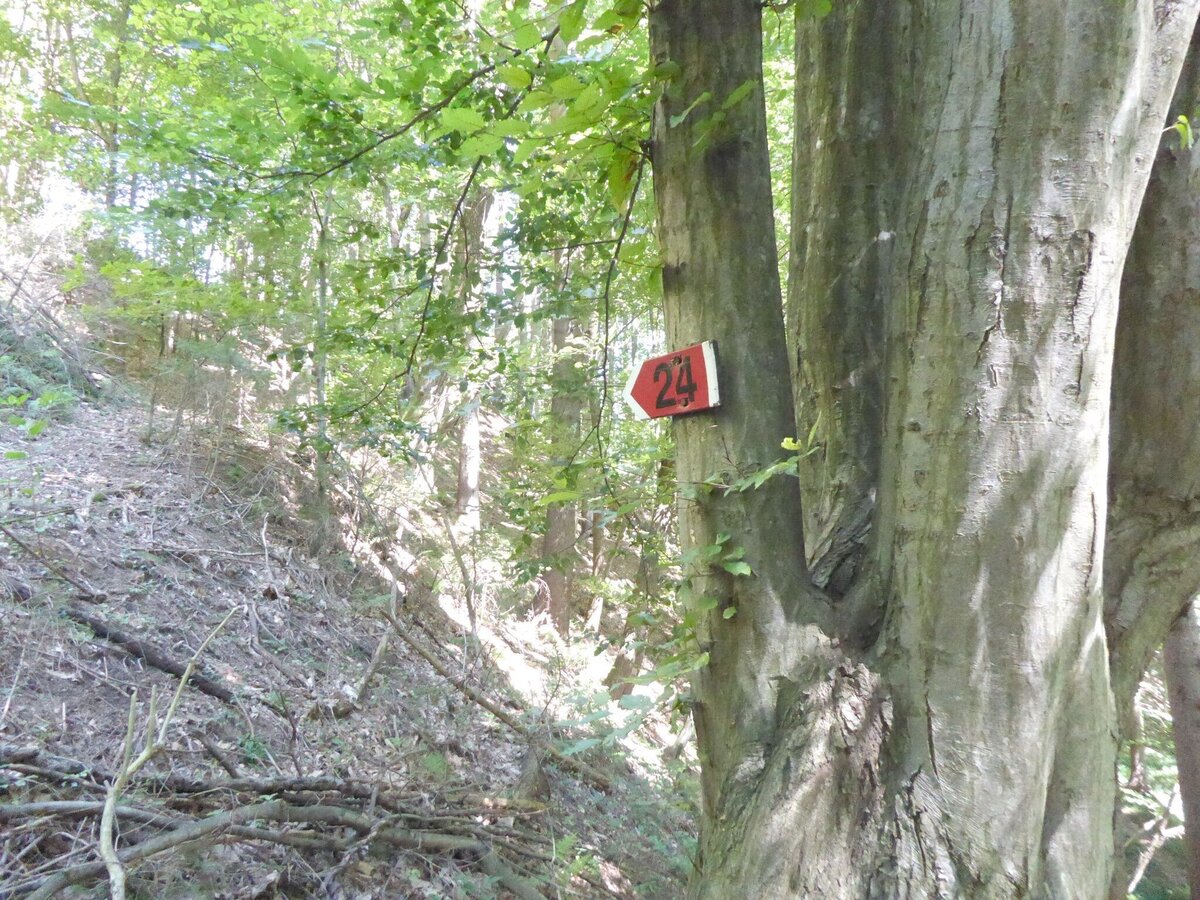
Der Weg 24 endet wenige steile Meter später vor der Ahnherrnruine. | © TV Südsteiermark | Christian Heugl
4/6
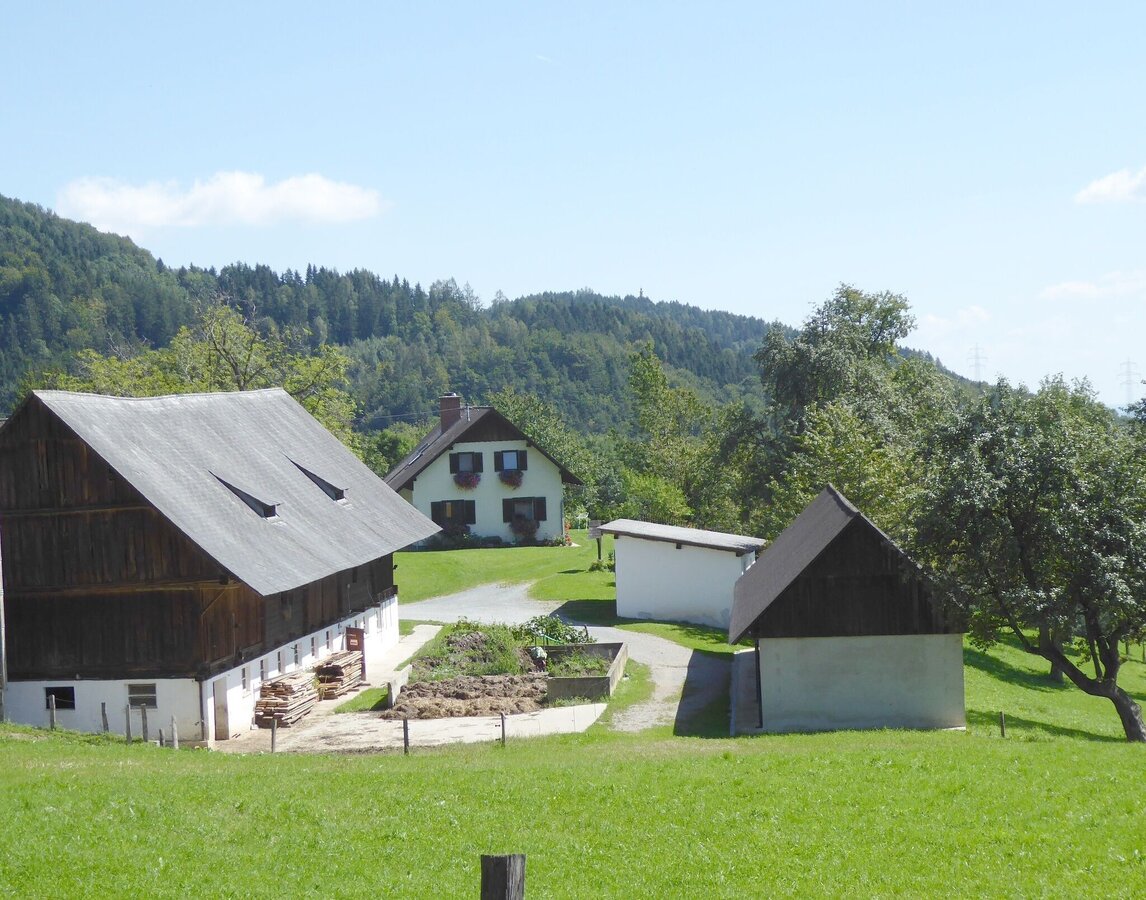
Das Gehöft Müllersima in der Nähe der Ahnherrnruine. | © TV Südsteiermark | Christian Heugl
5/6
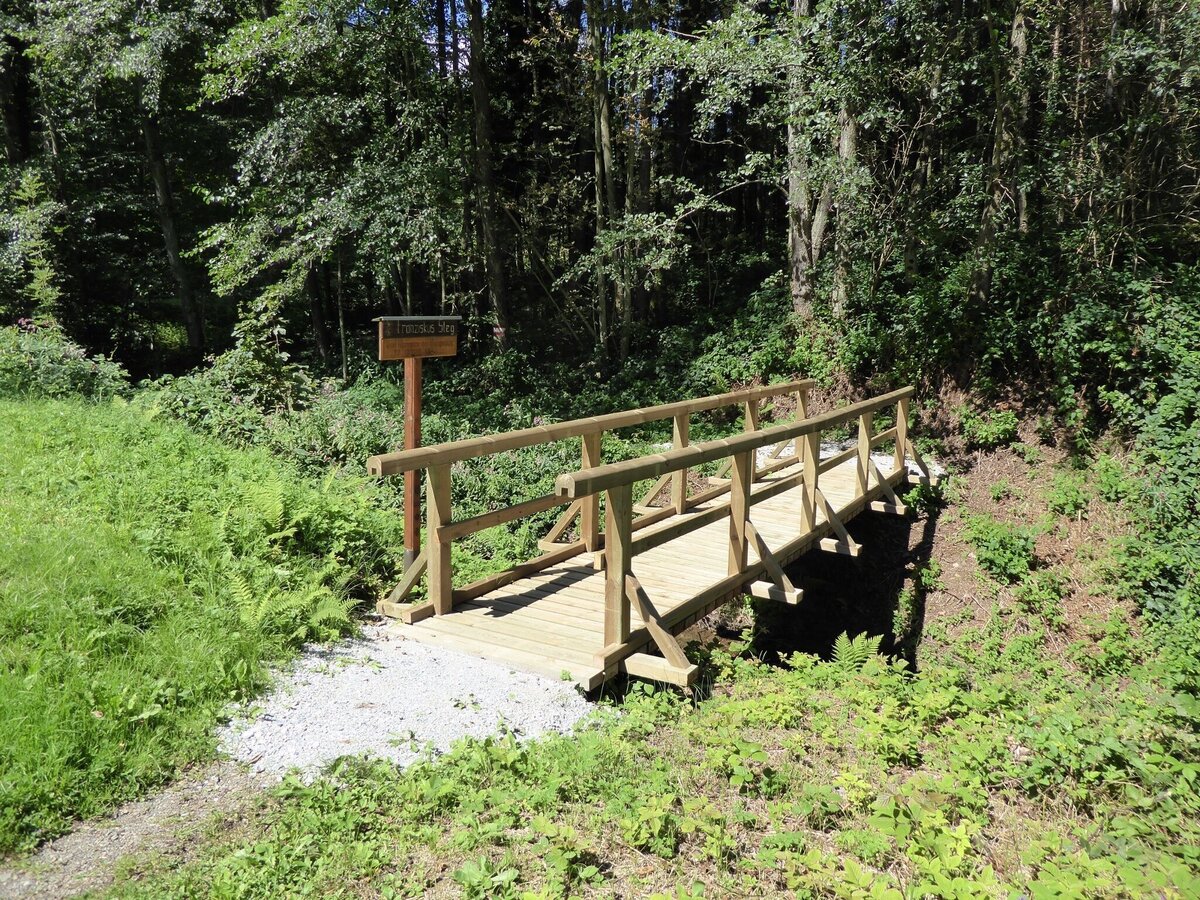
Der Franziskussteg im Weiherbachgraben. | © TV Südsteiermark/Christa Ortner | TV Südsteiermark/Christa Ortner
6/6

What the weather will be like Schwanberg (418m)
Today, 20.08.2026
Mostly sunny in the morning, becoming cloudy during the day. Thunderstorms will be likely towards evening.Morning

22°C
sr.Regenwahrscheinlichkeit
5%
sr.Windstärke
10 km/h
Noon

30°C
sr.Regenwahrscheinlichkeit
20%
sr.Windstärke
10 km/h
Night

22°C
sr.Regenwahrscheinlichkeit
65%
sr.Windstärke
5 km/h
Tomorrow, 21.08.2026
Rain showers in the morning, then frequent thunderstorms.Morning

19°C
sr.Regenwahrscheinlichkeit
75%
sr.Windstärke
5 km/h
Noon
25°C
sr.Regenwahrscheinlichkeit
70%
sr.Windstärke
5 km/h
Night
20°C
sr.Regenwahrscheinlichkeit
80%
sr.Windstärke
5 km/h
Forecast
22.08.2026

15°C
21°C
23.08.2026

13°C
23°C
24.08.2026
12°C
24°C
