


Graz: Austria’s Foodie Capital
Discover the flavours of the Capital of Delight
Graz is known as Austria’s Foodie Capital and has held the title “Capital of Delight” since 2008. Vibrant farmers’ markets, traditional Styrian inns and award-winning restaurants showcase a culinary culture shaped by seasonal ingredients, creative chefs and close ties to local producers.
The story continues beyond the city: farms, vineyards and producers across the Graz Region provide the flavours that make Graz such a rewarding destination for food lovers.
Why Graz is Austria’s Foodie Capital
- Official title “Capital of Delight” since 2008 – rooted in a distinct culinary identity
- Regional and seasonal ingredients define the cuisine across city and surroundings
- Close collaboration with producers from Styria as part of everyday practice
- Daily farmers’ markets shaping the rhythm and presence of food in the city
- A diverse gastronomic landscape between traditional inns and refined cuisine
- A natural balance of tradition and contemporary cooking
Discover Graz’s culinary culture
In Graz, the Capital of Delight is reflected in the interaction of markets, gastronomy and producers. This connection shapes everyday life – from the origin of ingredients to what is served on the plate.
From farmers’ markets to traditional inns and fine dining, these elements are closely linked, making the city’s culinary structure tangible.
Farmers’ markets in Graz
Short distances, clear origins
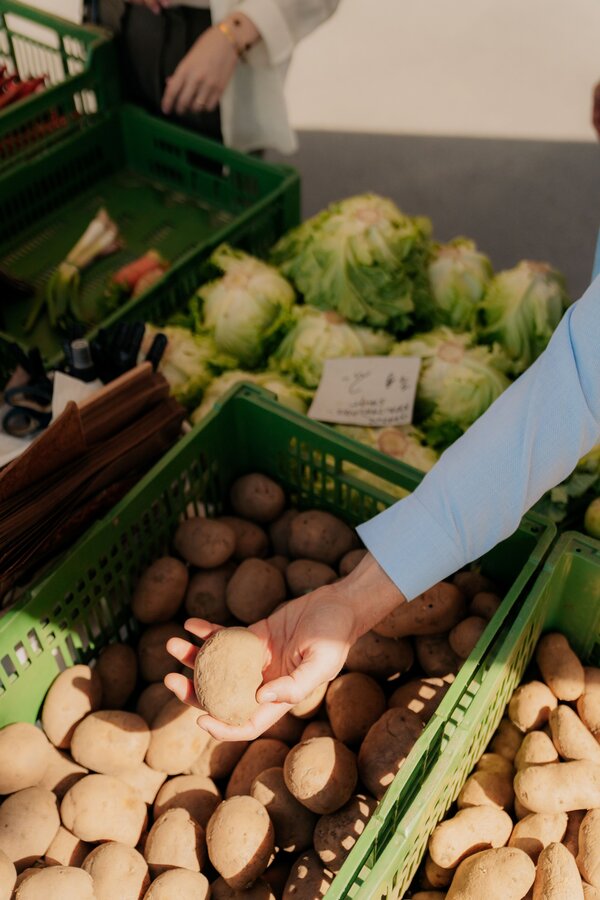
Farmers’ markets in Graz are a central element of the Capital of Delight, shaping direct access to regional cuisine. Markets such as Kaiser Josef Market and the farmers’ market at Lendplatz connect producers directly with the city – seasonal, personal and without intermediaries.
Many restaurants in Graz source their ingredients here or maintain close relationships with farms in the surrounding region. This creates a proximity between production and cuisine that is characteristic of the Capital of Delight and is reflected directly on the plate.
These markets are more than places of trade: they form the foundation of the city’s cuisine, making origin, seasonality and quality visible in everyday life.


From traditional inns to fine dining
Craft and character
Restaurants in Graz combine traditional inn culture with contemporary gastronomy – reflecting the culinary range that defines the Capital of Delight. This spectrum extends from classic taverns to award-winning fine dining, all grounded in a shared commitment to product quality and origin.
While traditional inns focus on regional specialties and familiar dishes, fine dining restaurants reinterpret these foundations in distinct and contemporary ways. This range is characteristic of Graz and makes the Capital of Delight tangible across different culinary expressions.
Delicatessen shops and specialised food stores are also part of this ecosystem. They show that quality in Graz begins long before cooking – with the careful selection, maturation and origin of ingredients.
Fine dining in Graz
Precision on the plate
In recent years, Graz has established itself as a destination for refined cuisine – reflecting a facet of the Capital of Delight where regional origin and culinary precision come together at a high level. Multi-course menus, clear flavours and a thoughtful approach to regional ingredients define many of the city’s awarded restaurants.
International techniques meet Styrian products, often rooted in long-standing relationships with local producers. Fine dining in Graz remains grounded, positioning itself as part of the broader culinary culture that defines the Capital of Delight.
Among the leading addresses are, amongst others, Restaurant Zur Goldenen Birn (4 toques Gault & Millau, 1 Michelin star, 4 forks Falstaff) and Restaurant Artis (3 toques, 1 Michelin star, 3 forks).

Typical specialties
The flavours of Styria
Cuisine in Graz is defined by regional specialities and seasonal ingredients. Classics such as pumpkin seed oil, scarlet runner beans and fried chicken are a natural part of local menus and reflect what is typically eaten in Graz.
Over the course of the year, these products change with the seasons. Spring brings Grazer Krauthäuptel and wild garlic, while summer is shaped by tomatoes and mushrooms. In autumn, pumpkin, apples, Sturm and Styrian wines such as Schilcher come into focus – alongside the Graz truffle.
This interplay of season, product and craftsmanship forms the foundation of the Capital of Delight.
A foodie’s day in Graz
What Graz tastes like
A day in Graz brings together cafés, farmers’ markets and restaurants within a compact urban setting. Between the historic centre, the Lend district and the Schlossberg, culinary experiences unfold naturally over the course of the day.
From a morning in a café to a walk through the market, a visit to Kunsthaus Graz, lunch at a traditional tavern and a glass of Styrian wine in the evening, the city connects everyday moments with a distinct sense of place and taste.

9 am: Breakfast
The day begins in one of the cafés between the historic centre and the Lend district – with coffee, pastries and a calm start to the morning.


11 am: At the market
At Kaiser Josef Market or Lendplatz, the market becomes a place of exchange. Products are tasted, selected and discussed directly with the producers – seasonal and sourced from the surrounding region.


12 pm: City stroll
A walk through the historic centre, up to the Schlossberg or into Kunsthaus Graz brings together architecture, history and the present within a compact urban space.


1 pm: Lunch
From traditional taverns to contemporary restaurants, lunch in Graz follows the rhythm of the market and the season.


3 pm: Time on the terrace
Cafés, small producers and delicatessens create space to pause. The city remains compact, yet rich in flavour and variety.


5 pm: A glass with a view
On the Schlossberg or in a wine bar in the historic centre, the diversity of Styrian wines comes into focus – often accompanied by small regional dishes.


8 pm: A culinary evening
Award-winning restaurants and lively taverns bring the day to a close, with menus that reinterpret regional ingredients in a contemporary way.


Experience culinary culture
Tours, markets and tastings
Culinary walks and tasting tours in Graz open up different ways of experiencing the Capital of Delight. Formats such as weekend culinary walks, themed tours like a Friday beer walk, or cabrio bus tours on selected Sundays typically last between three and four hours, combining movement through the city with carefully selected tasting stops.
Each stop offers insight into the region’s culinary structure – from farmers’ markets to specialised producers and local gastronomy. Tastings of regional specialties, conversations with producers and a closer look at Styrian cuisine reveal connections that usually remain behind the scenes.
This creates a layered experience of the Graz region – between city and countryside, everyday life and culinary culture. The Capital of Delight is not defined by a single place, but unfolds as a journey through different perspectives.
Outdoor dining & wine culture
Indulgence throughout the day
In Graz, culinary life unfolds throughout the day – from cafés to outdoor dining areas. Between the historic centre and the Lend district, places emerge where time slows down: a coffee in the morning, a relaxed lunch outside or a glass of wine in the evening.
Wine culture is closely tied to the surrounding Styrian region. In outdoor settings, wine bars and restaurants, regional wines – from Schilcher to fresh, mineral whites – are part of everyday life. Indulgence remains unpretentious, shaped by the rhythm of the city.

Frequently asked questions about Graz’s food scene
Graz has been known as Austria’s Capital of Delight since 2008. Its reputation as a foodie destination is built on regional ingredients, vibrant farmers’ markets, traditional Styrian cuisine and creative restaurants. The close connection between the city’s gastronomy and producers across the Graz Region is central to its culinary identity.
The term “Capital of Delight” refers to a culinary approach based on regional ingredients, seasonal availability and close collaboration with local producers. In Graz, this is reflected in the connection between agriculture, markets and gastronomy, which together shape the city’s culinary identity.
Graz has held the title “Capital of Delight” since 2008. It was awarded in recognition of the strong link between urban gastronomy and agricultural producers in Styria, as well as the city’s vibrant market culture.
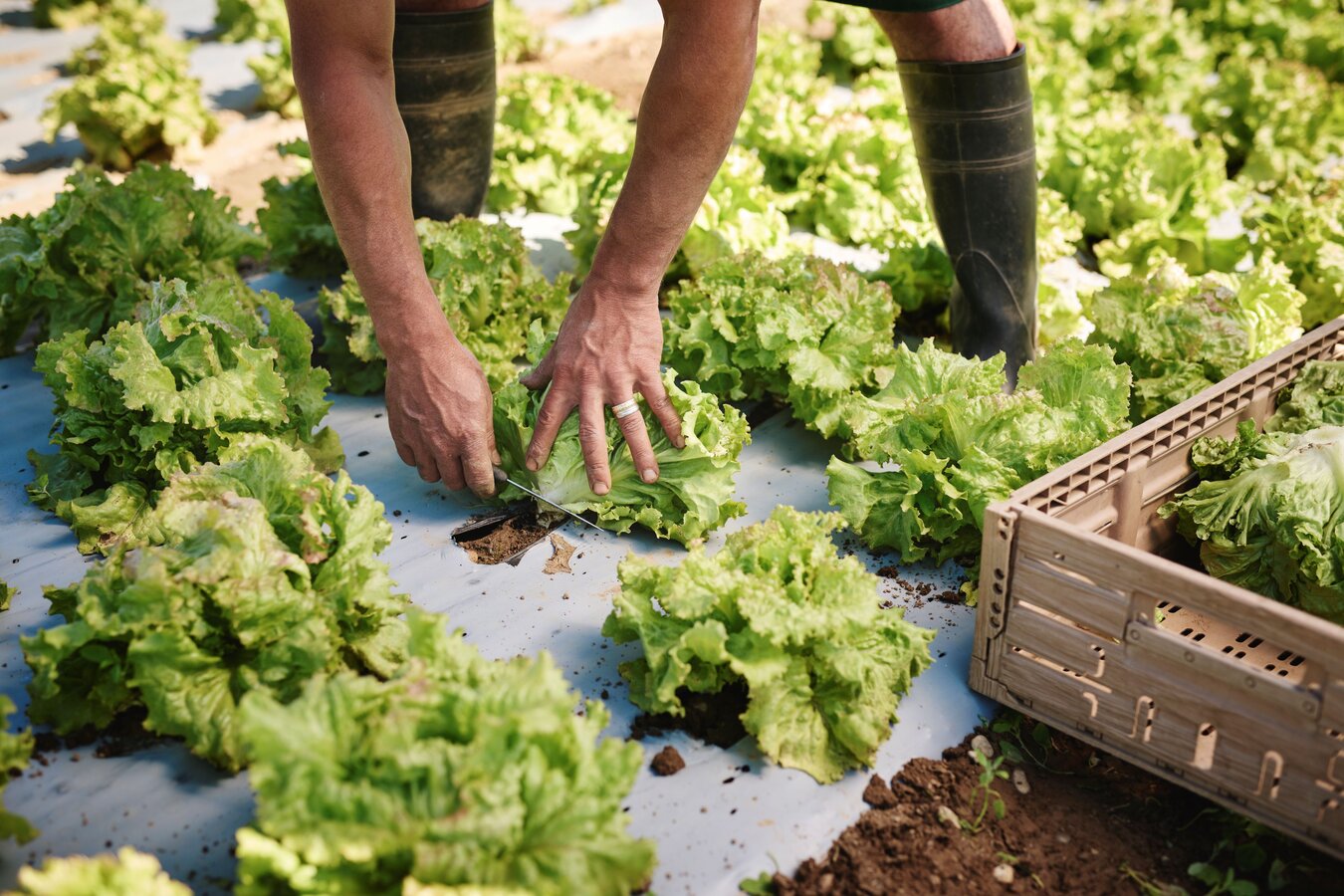
Graz is a year-round destination for culinary experiences, with each season offering its own highlights. Spring and autumn are particularly distinctive, when seasonal products such as Graz truffle, asparagus, Styrian pumpkin and regional lettuce shape the cuisine.
Graz offers guided culinary walks and tasting tours that typically last between three and four hours. These include weekend culinary walks, themed experiences such as a Friday beer tour, and cabrio bus tours on selected Sundays.
The tours combine tastings of regional specialties with insights into markets, producers and Styrian cuisine. They range from walks through the city to guided excursions into the Graz region, offering different perspectives on the Capital of Delight.
Discover our culinary partners
Capital of Delight partner businesses
Looking for authentic Styrian cuisine in Graz? Discover the Capital of Delight partner businesses and explore restaurants and culinary experiences that celebrate regional flavours.
The Capital of Delight brochure
The brochure on the Capital of Delight Graz brings together selected partner businesses, culinary highlights and seasonal recommendations. It offers a clear overview for those looking to explore restaurants, markets and producers in greater depth.


Creative cuisine in Graz modern interpretation of regional ingredients | © Graz Region | Harry Schiffer

GenussHauptstadt Graz | © AMA Genuss Region
Choosing potatoes at the market | © Graz Region | studio draussen


